
Revolutionizing University Education with Virtual Reality
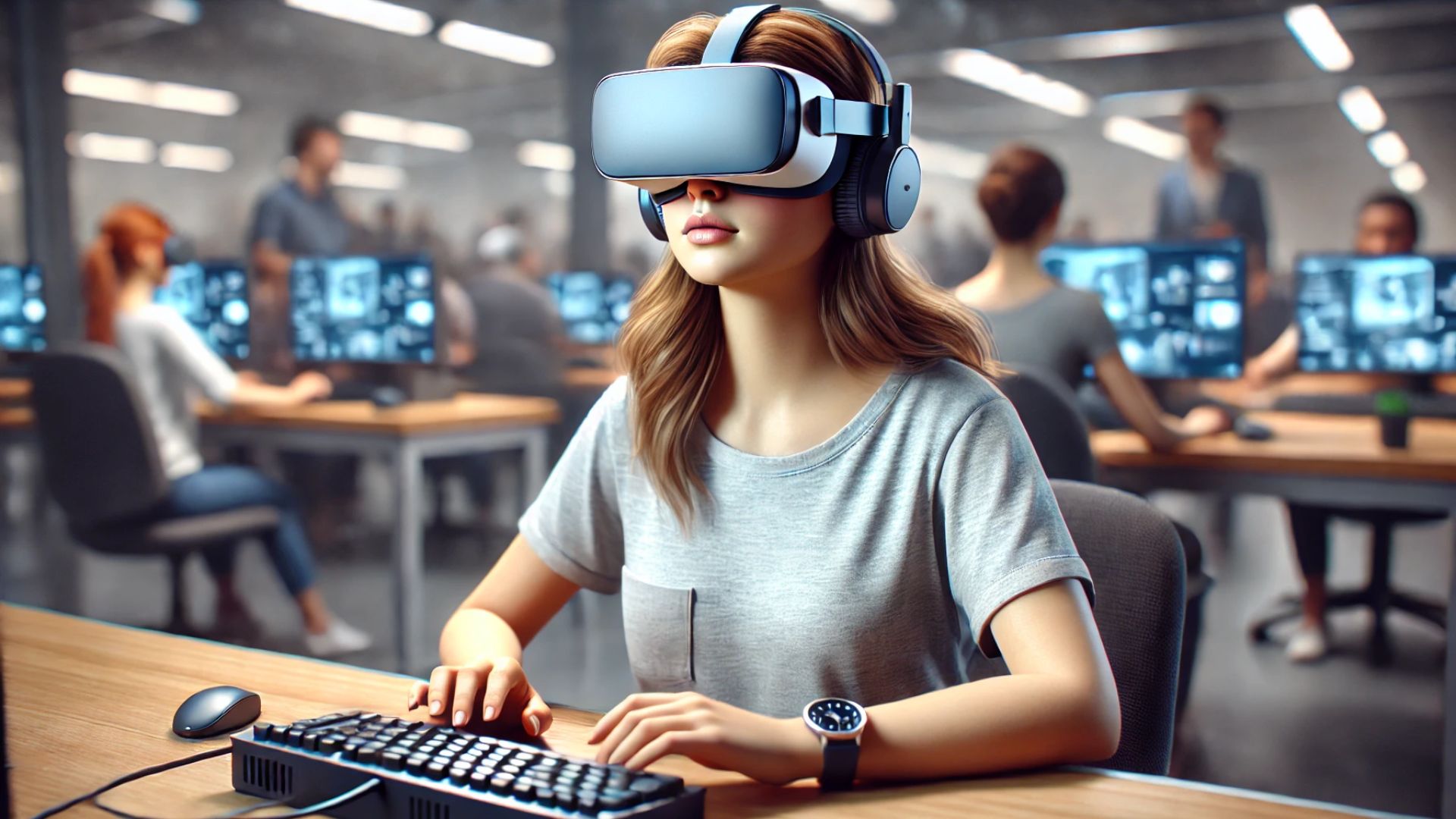
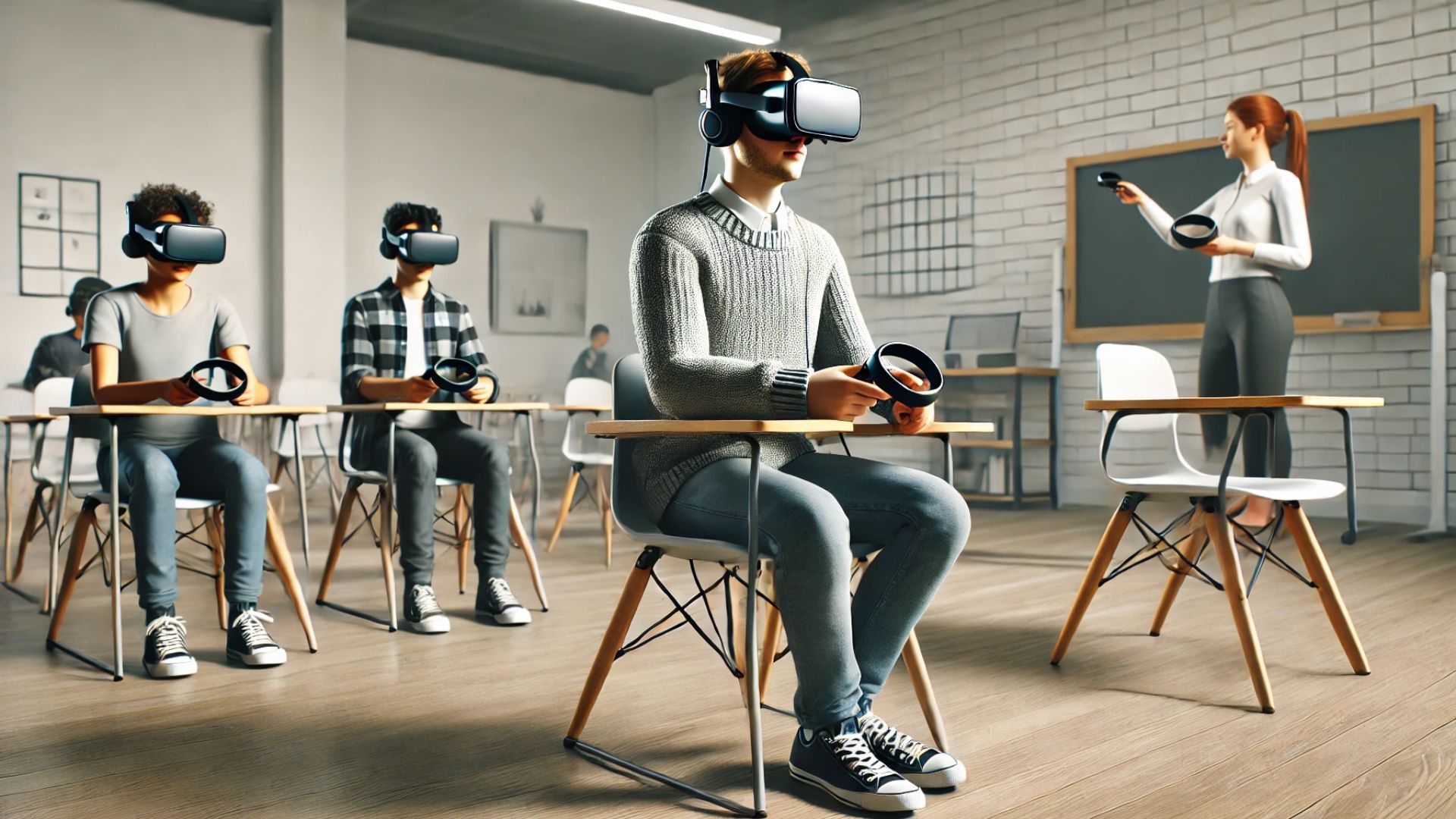
In the ever-evolving landscape of higher education, universities are constantly exploring innovative technologies to enhance learning experiences and foster deeper student engagement. Virtual Reality (VR) has emerged as a transformative tool, offering immersive and interactive environments that transcend traditional classroom boundaries. By integrating VR into academic programs, institutions can provide students with experiential learning opportunities that not only make education more engaging but also equip them with critical skills for the future. This article delves into the myriad ways VR is reshaping university education, enabling students to engage with their studies like never before.
Immersive Learning Environments
Bringing Complex Concepts to Life
Imagine a biology student exploring the intricate pathways of the human brain, navigating through neurons and synapses in a fully interactive 3D environment. Virtual Reality transforms abstract theoretical concepts into tangible experiences, allowing students to visualize and interact with subject matter in ways that textbooks alone cannot achieve. For instance, engineering students can construct and test virtual prototypes, identifying design flaws and optimizing structures without the constraints of physical materials. This hands-on approach not only deepens understanding but also enhances retention, as students engage multiple senses in the learning process.
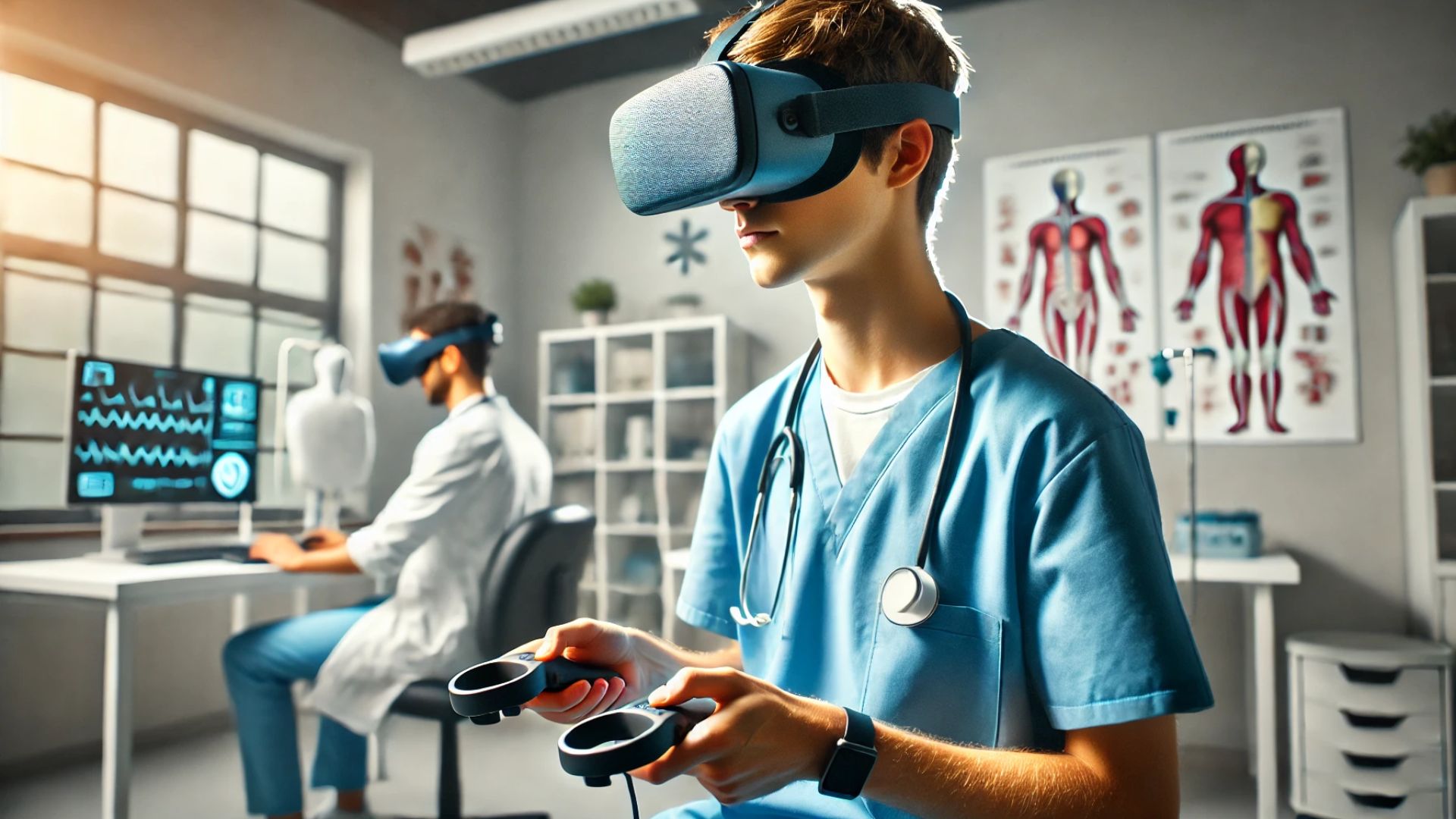
Moreover, VR facilitates experiential learning by simulating real-world scenarios that students might encounter in their professional lives. Medical students can perform virtual surgeries, honing their skills in a risk-free setting, while environmental science students can explore virtual ecosystems to study the impact of climate change. These immersive experiences bridge the gap between theory and practice, providing students with a comprehensive understanding of their fields and preparing them for real-world applications.
Facilitating Experiential Learning
Experiential learning is a cornerstone of effective education, and VR provides a platform for students to engage in hands-on activities that mirror real-world experiences. For example, business students can participate in virtual simulations of market dynamics, allowing them to experiment with different strategies and observe the outcomes in a controlled environment. This interactive approach fosters critical thinking and decision-making skills, as students must navigate complex scenarios and adapt to changing variables.
In the humanities, VR can transport students to historical sites, enabling them to explore ancient civilizations firsthand. History students can walk through reconstructed ancient cities, interact with virtual artifacts, and gain a deeper appreciation for the cultural and historical contexts of their studies. Similarly, art students can create and manipulate virtual sculptures and paintings, pushing the boundaries of creativity without the limitations of physical materials. By providing immersive and interactive learning experiences, VR enhances the educational journey, making it more engaging and impactful.
Enhancing Accessibility and Inclusivity
Virtual Reality breaks down barriers to education by providing equal access to high-quality learning resources for all students, regardless of their physical location or circumstances. Remote learners can participate in virtual labs, collaborative projects, and interactive lectures, ensuring that distance does not impede their educational journey. Additionally, VR can accommodate diverse learning styles, offering visual, auditory, and kinesthetic experiences that cater to individual preferences.
For students with disabilities, VR offers tailored educational experiences that address specific needs. For instance, visually impaired students can benefit from VR environments that include audio descriptions and tactile feedback, enabling them to engage with content in a way that suits their abilities. Similarly, students with mobility challenges can participate in virtual field trips and hands-on activities without the physical strain of traditional setups. This inclusivity not only broadens the reach of educational programs but also promotes a more equitable learning environment where every student has the opportunity to thrive.
Enhanced Student Engagement
Interactive and Engaging Content
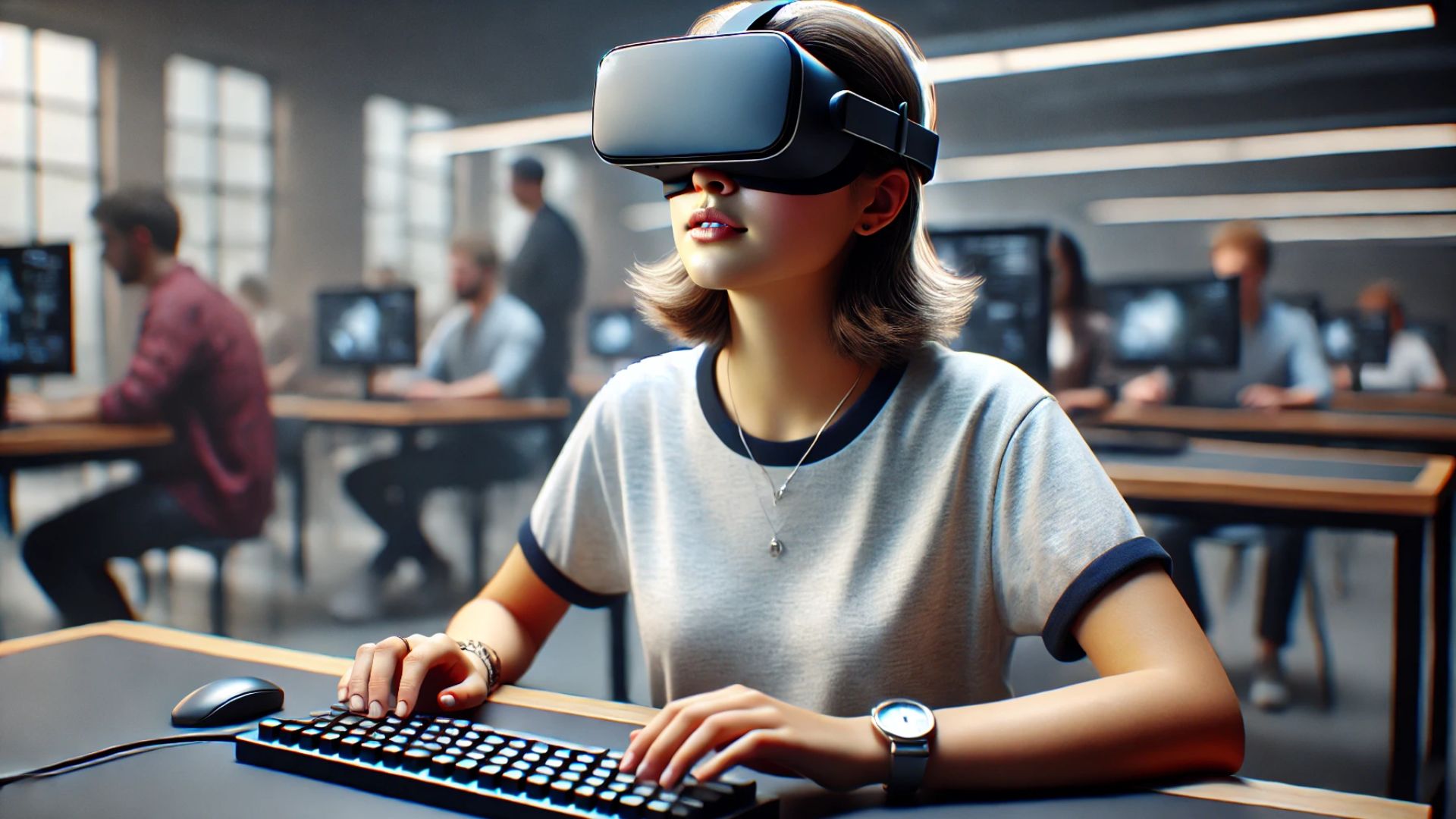
Traditional lectures often struggle to maintain student attention, but VR introduces a dynamic and interactive element to learning. By incorporating multimedia elements such as 360-degree videos, interactive simulations, and gamified content, VR captivates students and encourages active participation. For example, history students can embark on virtual tours of ancient civilizations, experiencing historical events from a first-person perspective. Environmental science students can explore virtual ecosystems, observing the intricate relationships between flora and fauna in a way that static images cannot capture.
This level of engagement makes learning more enjoyable and memorable, fostering a deeper connection to the material. Interactive VR modules can transform mundane topics into exciting adventures, sparking students’ interest and motivating them to invest more time and effort into their studies. Additionally, gamified VR experiences can incorporate elements of competition and reward, further enhancing motivation and participation. By making learning an immersive and interactive experience, VR helps students stay focused, retain information more effectively, and develop a genuine enthusiasm for their subjects.
Personalized Learning Experiences
Virtual Reality allows for the customization of educational content to meet the unique needs and interests of each student. Adaptive learning algorithms can analyze individual performance and adjust the difficulty and complexity of VR experiences accordingly. This personalized approach ensures that students receive the right level of challenge, promoting continuous improvement and preventing disengagement due to frustration or boredom.
Moreover, VR can offer diverse learning pathways, enabling students to explore topics at their own pace and in ways that resonate most with their learning styles. For instance, a student who excels in visual learning can benefit from detailed 3D models and simulations, while a student who prefers hands-on learning can engage in interactive experiments and practical exercises. This flexibility not only enhances individual learning outcomes but also fosters a sense of autonomy and ownership over one’s education, empowering students to take control of their academic journey and pursue their interests with confidence.
Encouraging Collaboration and Communication
VR platforms facilitate collaborative learning by enabling students to interact and work together in virtual environments. Group projects, discussions, and problem-solving activities can take place in shared VR spaces, where students can communicate and collaborate in real-time. This fosters teamwork and communication skills, essential competencies in today’s interconnected world.
Practical Skill Development
Simulating Real-World Scenarios
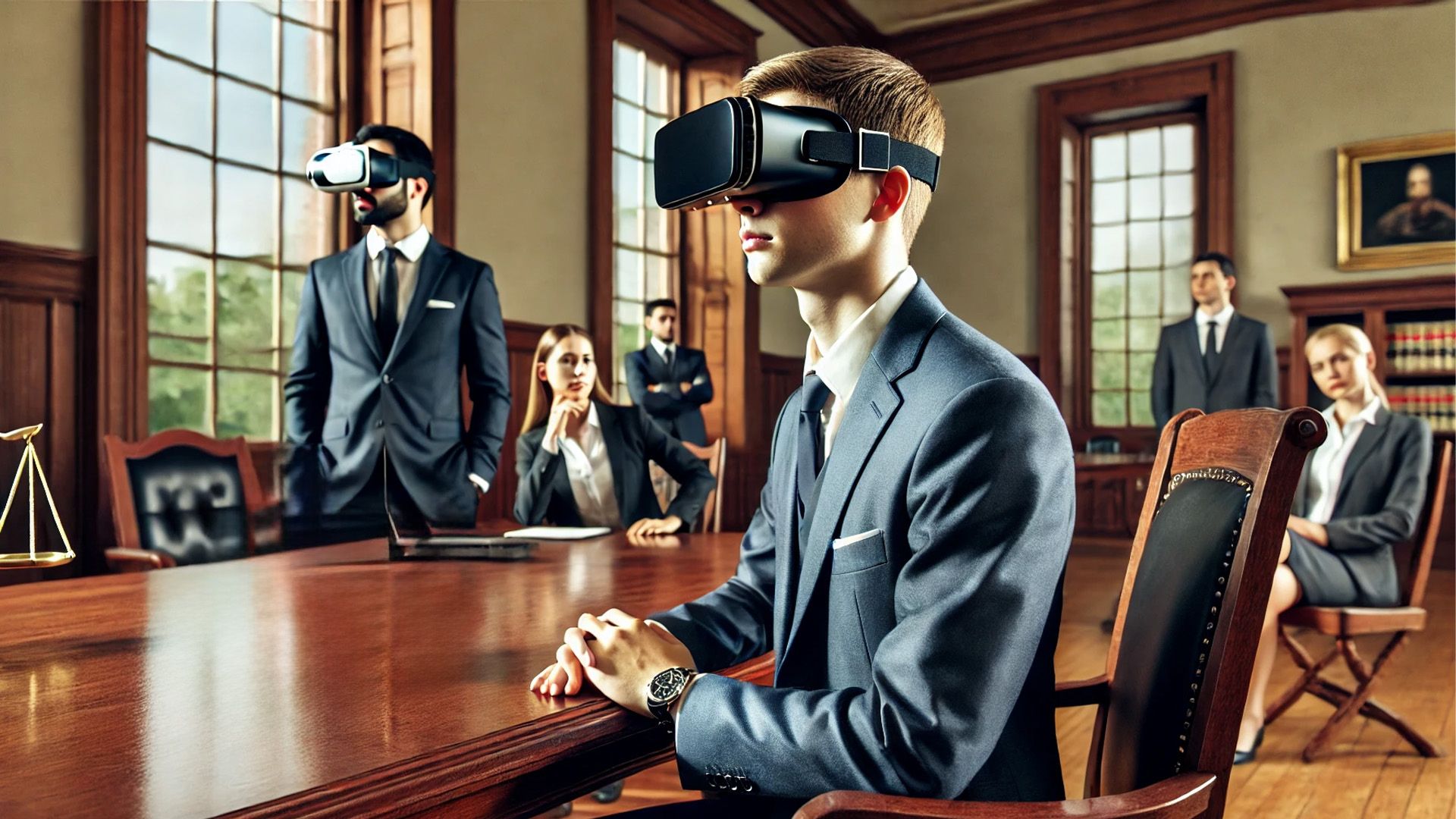
One of the most significant advantages of VR in education is its ability to simulate real-world scenarios, providing students with opportunities to develop practical skills in a controlled environment. For instance, business students can engage in virtual negotiations, practicing their negotiation tactics and decision-making abilities in realistic settings. These simulations replicate the pressures and complexities of actual business negotiations, allowing students to refine their strategies and learn from their experiences without the risk of real-world consequences.
Engineering students can troubleshoot virtual machinery, identifying and resolving technical issues in simulated environments that mimic real-life conditions. This hands-on experience is invaluable for building competence and confidence, as students can experiment with different approaches and learn from their successes and failures. Similarly, medical students can perform virtual surgeries, honing their surgical skills and understanding of human anatomy in a risk-free setting. These practical applications of VR not only enhance students’ technical abilities but also prepare them for the challenges and demands of their future careers.
Enhancing Critical Thinking and Problem-Solving
Virtual Reality challenges students to think critically and solve complex problems by presenting them with realistic and multifaceted scenarios. For example, urban planning students can design and test virtual cities, addressing issues such as traffic management, environmental sustainability, and infrastructure development. These immersive simulations require students to analyze situations from multiple angles, consider various solutions, and evaluate the outcomes of their decisions.
This immersive problem-solving experience encourages students to develop stronger critical thinking and analytical skills, as they must navigate the complexities of real-world challenges within the virtual environment. Additionally, VR can introduce unexpected variables and dynamic changes, prompting students to adapt and adjust their strategies in real-time. This flexibility and adaptability are essential skills in today’s rapidly changing world, where the ability to think on one’s feet and respond to unforeseen challenges is highly valued.
Fostering Creativity and Innovation
VR provides a limitless canvas for creativity, allowing students to experiment with ideas and innovate without the constraints of the physical world. Art and design students can create and manipulate virtual sculptures, paintings, and architectural models, exploring new forms and techniques that might be difficult or impossible to achieve in traditional mediums. Similarly, computer science students can develop and test virtual applications, pushing the boundaries of technology and innovation.
This creative freedom not only enhances students’ artistic and technical skills but also encourages a mindset of exploration and experimentation that drives innovation. By providing a safe and flexible environment for creative expression, VR empowers students to take risks, think outside the box, and develop unique solutions to complex problems. This emphasis on creativity and innovation is essential for preparing students to thrive in industries that value forward-thinking and inventive approaches.
Administrative and Operational Benefits
Streamlining University Operations
Beyond enhancing the student learning experience, Virtual Reality offers significant benefits for university administration and operations. Virtual campuses and facilities tours can attract prospective students by providing an immersive preview of campus life and academic offerings. Prospective students can explore classrooms, dormitories, libraries, and recreational facilities in a virtual environment, gaining a comprehensive understanding of what the university has to offer without the need for physical visits.
Facilitating Remote Learning and Flexibility
In an increasingly digital world, the ability to offer flexible and remote learning options is crucial for universities. Virtual Reality supports remote education by providing high-quality, interactive learning experiences that rival those of in-person classes. This flexibility allows students to engage with their studies from any location, accommodating diverse schedules and personal commitments. For instance, working professionals pursuing higher education can attend virtual lectures and participate in interactive workshops without the need to commute, making advanced education more accessible and manageable.
Enhancing Research and Development
Virtual Reality is a powerful tool for research and development, enabling scholars to conduct experiments, analyze data, and visualize complex information in innovative ways. For example, medical researchers can use VR to simulate surgical procedures, allowing them to explore new techniques and refine their approaches in a controlled environment. Environmental scientists can model climate patterns and ecosystem dynamics, gaining deeper insights into environmental changes and their impacts.
In the field of engineering, VR can be used to design and test prototypes, identifying potential design flaws and optimizing performance before physical models are constructed. This not only accelerates the research process but also reduces costs associated with material testing and iterative design cycles. Additionally, VR facilitates collaborative research by enabling teams to work together in virtual environments, regardless of their physical locations. This collaborative capability fosters interdisciplinary research and innovation, driving advancements across various academic disciplines and contributing to the overall progress of higher education.

Future Prospects: The Evolving Role of VR in Higher Education
Integration with Artificial Intelligence and Machine Learning
The future of Virtual Reality in higher education is closely intertwined with advancements in Artificial Intelligence (AI) and Machine Learning (ML). AI-powered VR systems can offer personalized learning experiences, adapting content and interactions based on individual student performance and preferences. For example, AI algorithms can analyze student engagement and comprehension levels, adjusting the difficulty of VR simulations and providing targeted feedback to enhance learning outcomes.
Machine Learning can further enhance VR environments by enabling predictive analytics and adaptive learning pathways. These technologies can identify patterns in student behavior and learning styles, offering insights that inform curriculum development and instructional strategies. By integrating AI and ML with VR, universities can create more intelligent and responsive educational environments that continuously evolve to meet the needs of their students, fostering a more dynamic and effective learning experience.
Expanding Applications Across Disciplines
As VR technology continues to evolve, its applications in higher education will expand across a wider range of disciplines. From virtual laboratories for scientific research to immersive language learning environments, VR will become an integral part of diverse academic fields. Humanities students can explore historical sites and literary settings in virtual spaces, gaining a deeper understanding of historical contexts and cultural nuances. Business students can engage in simulated market analyses and entrepreneurial ventures, developing practical skills and strategic thinking abilities.
Moreover, VR can enhance interdisciplinary studies by providing a platform for collaborative projects that span multiple fields of study. For example, architecture and environmental science students can work together in a virtual environment to design sustainable buildings, integrating principles of design, engineering, and environmental stewardship. This interdisciplinary approach fosters a holistic educational experience, preparing students to tackle complex, multifaceted challenges in their future careers.
Advancing Global Collaboration and Connectivity
Virtual Reality has the potential to revolutionize global collaboration and connectivity in higher education. Universities can partner with institutions around the world to offer joint VR-based courses, research projects, and cultural exchange programs. This connectivity fosters a global academic community, where students and faculty can collaborate and learn from each other in immersive virtual environments. For instance, students from different countries can participate in virtual group projects, sharing diverse perspectives and approaches that enrich the learning experience.
Frequently Asked Questions
How does Virtual Reality enhance the learning experience for university students?
Virtual Reality enhances the learning experience by providing immersive and interactive environments that make complex concepts more accessible and engaging. It allows students to visualize and manipulate information in three dimensions, facilitating deeper understanding and retention of academic material. VR also enables experiential learning, where students can engage in simulations and real-world scenarios, bridging the gap between theory and practice.
What types of courses can benefit from Virtual Reality in universities?
A wide range of courses can benefit from Virtual Reality, including medicine, engineering, architecture, environmental science, history, art, and business. VR can be used for simulations, virtual labs, interactive lectures, and experiential learning activities across various disciplines. For example, medical students can practice surgical procedures in a virtual environment, while history students can explore ancient civilizations through immersive virtual tours.
Is Virtual Reality accessible to all students?
Yes, Virtual Reality can be made accessible to all students, including those with disabilities, by utilizing adaptive technologies and customizable VR environments. Universities can provide necessary support and resources to ensure that all students can benefit from VR-enhanced learning experiences. This includes offering assistive devices, creating accessible VR content, and providing training to help students navigate and utilize VR tools effectively.
What are the costs associated with implementing Virtual Reality in universities?
Implementing Virtual Reality in universities involves initial investment costs for VR hardware and software, as well as ongoing expenses for maintenance and updates. However, these costs can be offset by the long-term benefits of enhanced learning outcomes, increased student engagement, and improved operational efficiency. Additionally, universities can explore funding opportunities, grants, and partnerships with technology providers to mitigate the financial burden of VR implementation.
How can universities integrate Virtual Reality into their existing curricula?
Universities can integrate Virtual Reality into their existing curricula by collaborating with faculty to identify suitable courses and content, providing training for instructors, and gradually incorporating VR activities and modules into lesson plans. Pilot programs and phased implementations can help ensure a smooth transition and effective integration of VR technologies. Additionally, universities can seek feedback from students and faculty to refine VR applications and ensure they meet educational goals and objectives.