How VR Technology Engaged Young Learners and Highlighted the Importance of Maritime Infrastructure
Collaboration with Transnet
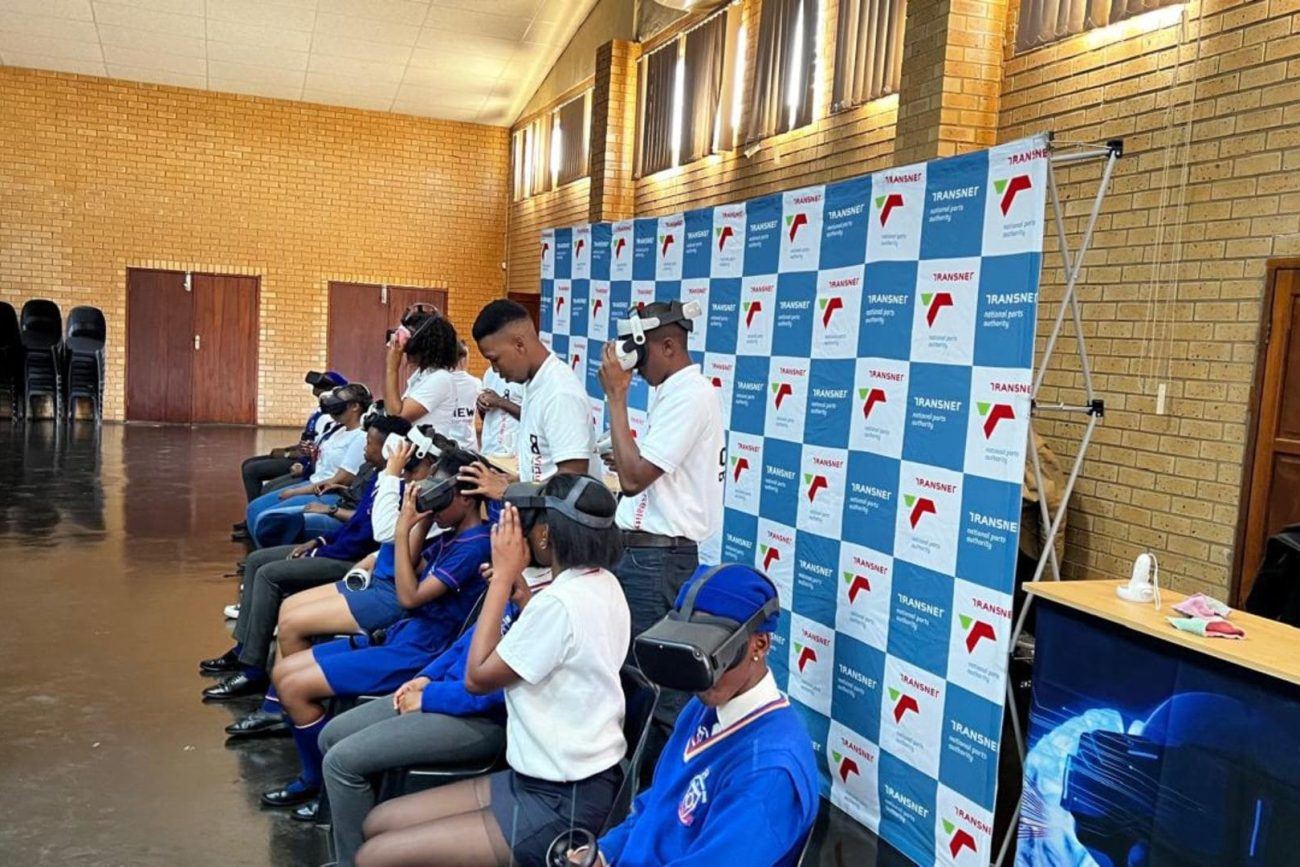
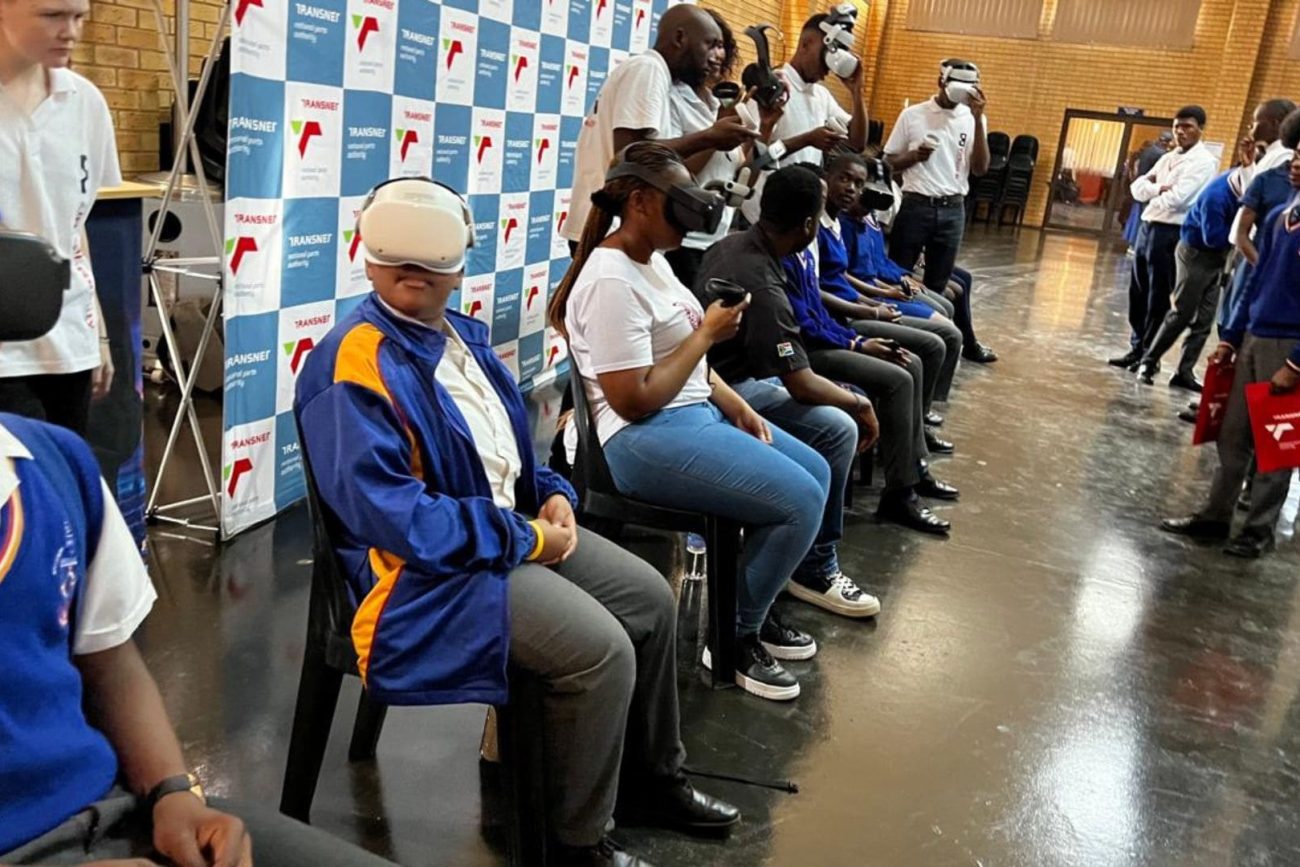
The partnership between Virtual Reality Activations and Transnet epitomizes a synergistic alliance aimed at revolutionizing educational methodologies. By leveraging Transnet’s extensive expertise in maritime logistics, the collaboration seamlessly integrated cutting-edge VR technology into the learning environment. This union was meticulously crafted to bridge the gap between theoretical knowledge and practical application, providing students with an unprecedented immersive experience. The involvement of Transnet not only lent credibility to the initiative but also underscored the significance of maritime infrastructure in South Africa’s economic framework. This collaboration stands as a testament to the potential of public-private partnerships in fostering innovative educational solutions.
Objectives and Goals
The primary objective of this initiative was to captivate young learners through the deployment of immersive VR technology, thereby enhancing their understanding of complex maritime operations. By introducing students to South Africa’s pivotal ports, the program sought to demystify the intricate logistics that underpin global trade. The initiative aimed to amalgamate advanced technological tools with conventional pedagogical approaches, creating a hybrid learning model that is both engaging and informative. Additionally, the program endeavored to ignite a passion for maritime studies, encouraging students to explore potential career pathways within this vital industry. The overarching goal was to cultivate a generation of informed and inspired individuals equipped to navigate the complexities of modern logistics and trade.
Overview of the VR Experience
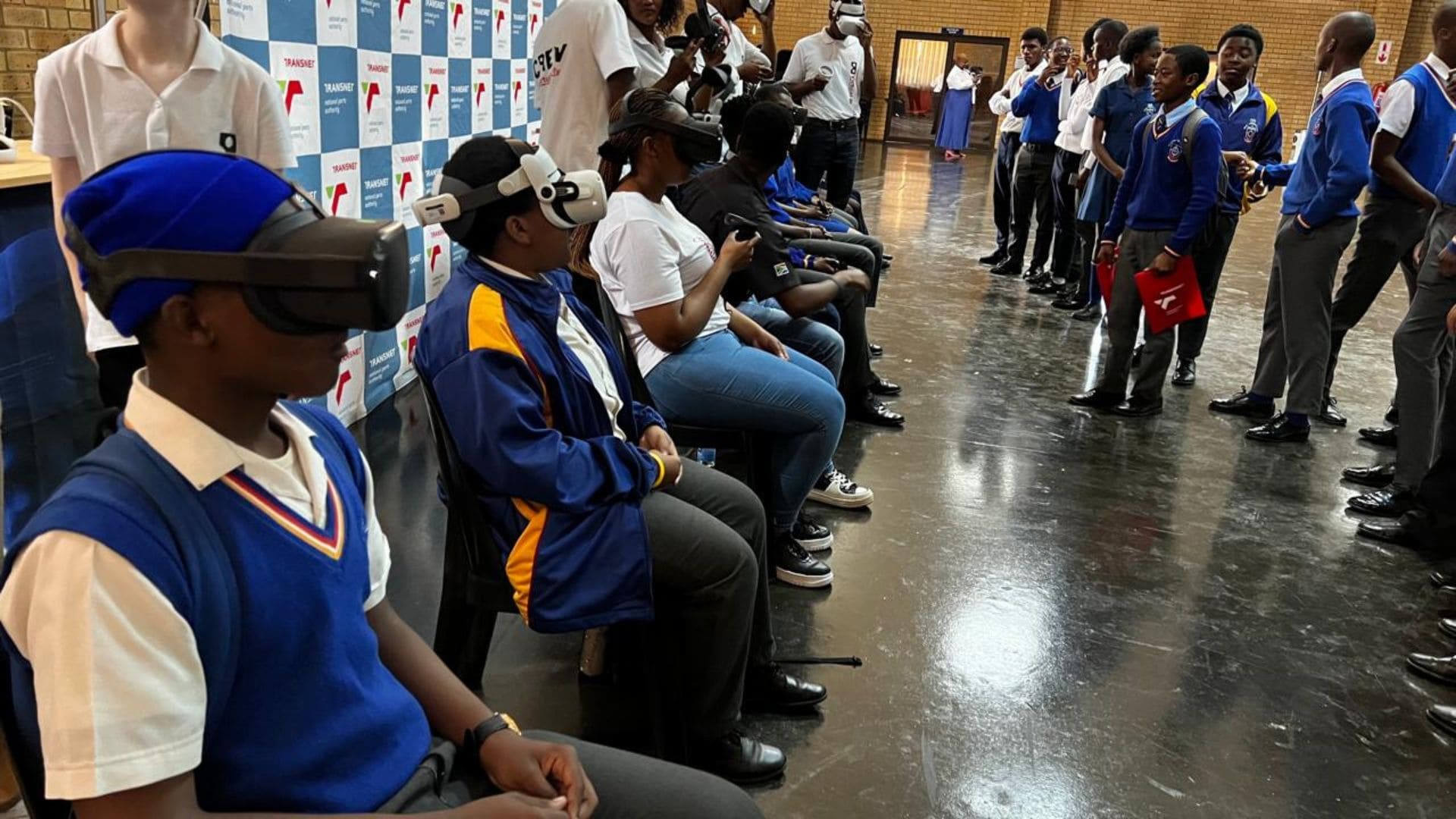
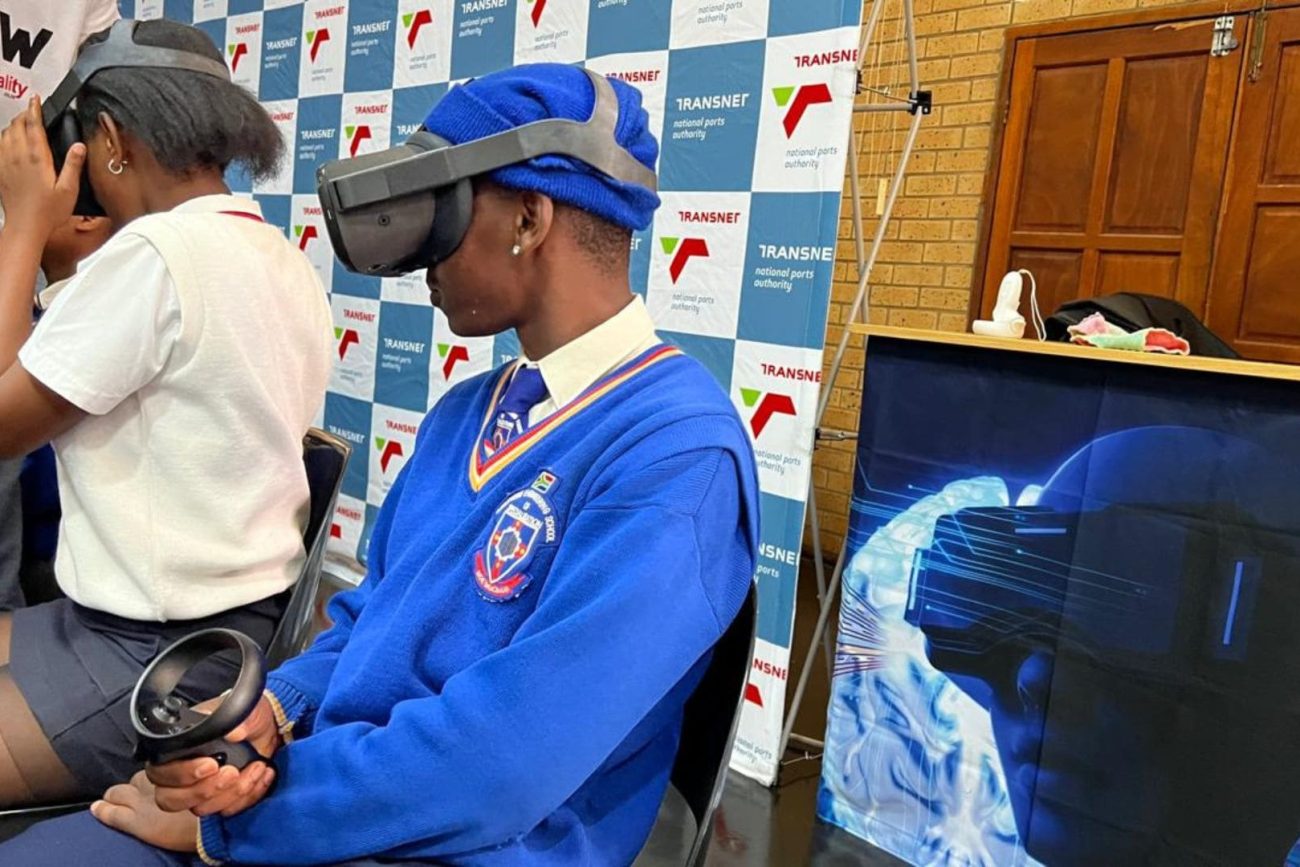
The VR setup was meticulously engineered to deliver a seamless and highly interactive educational experience. Utilizing state-of-the-art Oculus Quest headsets, each equipped with high-definition displays and spatial audio, the technology provided a fully immersive environment. The 360-degree videos were curated to offer comprehensive virtual tours of South Africa’s eight major ports, each showcasing distinct operational facets. The structure of the virtual tours was designed to facilitate an exploratory learning journey, allowing students to navigate through various sections of the ports at their own pace. This dynamic setup not only enhanced engagement but also ensured that the educational content was delivered in a visually compelling and intellectually stimulating manner.
Exploring South Africa’s Major Ports through VR
Saldanha Bay and Iron Ore Exports
Saldanha Bay stands as a cornerstone in South Africa’s iron ore export sector, playing a pivotal role in the nation’s mineral supply chain. The VR tour provided an intricate glimpse into the port’s extensive infrastructure, highlighting the sophisticated machinery and logistical frameworks that facilitate the export process. Students observed the meticulous coordination required to manage the colossal volumes of iron ore, gaining insights into the operational efficiencies that drive this industry. The virtual exploration elucidated the global economic impact of Saldanha Bay’s exports, demonstrating how these activities contribute significantly to both local and international markets. This immersive experience underscored the port’s strategic importance in sustaining South Africa’s economic vitality.
Cape Town’s Dual Role in Trade and Tourism
Cape Town’s port uniquely amalgamates trade and tourism, presenting a fascinating juxtaposition of natural splendor and industrial prowess. The VR experience vividly captured the harmonious coexistence of bustling port activities against the backdrop of the iconic Table Mountain. Students were able to witness the seamless integration of cargo operations with the vibrant tourism sector, illustrating the multifaceted economic contributions of the port. The virtual tour emphasized how Cape Town’s port not only serves as a critical trade gateway but also as a premier destination for cruise ships, thereby diversifying the city’s economic portfolio. This dual role enhances the port’s resilience and underscores its significance in fostering both economic growth and cultural exchange.
Port Elizabeth’s Automotive Hub
Port Elizabeth, now known as Gqeberha, is a linchpin in South Africa’s automotive export landscape. The VR activation delved into the sophisticated logistics involved in vehicle shipping, showcasing the port’s specialized facilities and streamlined processes. Students gained a granular understanding of how automobiles are meticulously prepared, loaded, and transported to global markets. The virtual tour highlighted the intricate coordination between manufacturing units, logistics providers, and port authorities, illustrating the seamless integration that ensures efficient automotive exports. This exposure provided valuable insights into the economic ramifications of the automotive sector, emphasizing its role in bolstering South Africa’s industrial and export capabilities.
The Impact of VR on Student Learning and Engagement
Enhancing Understanding of Complex Concepts
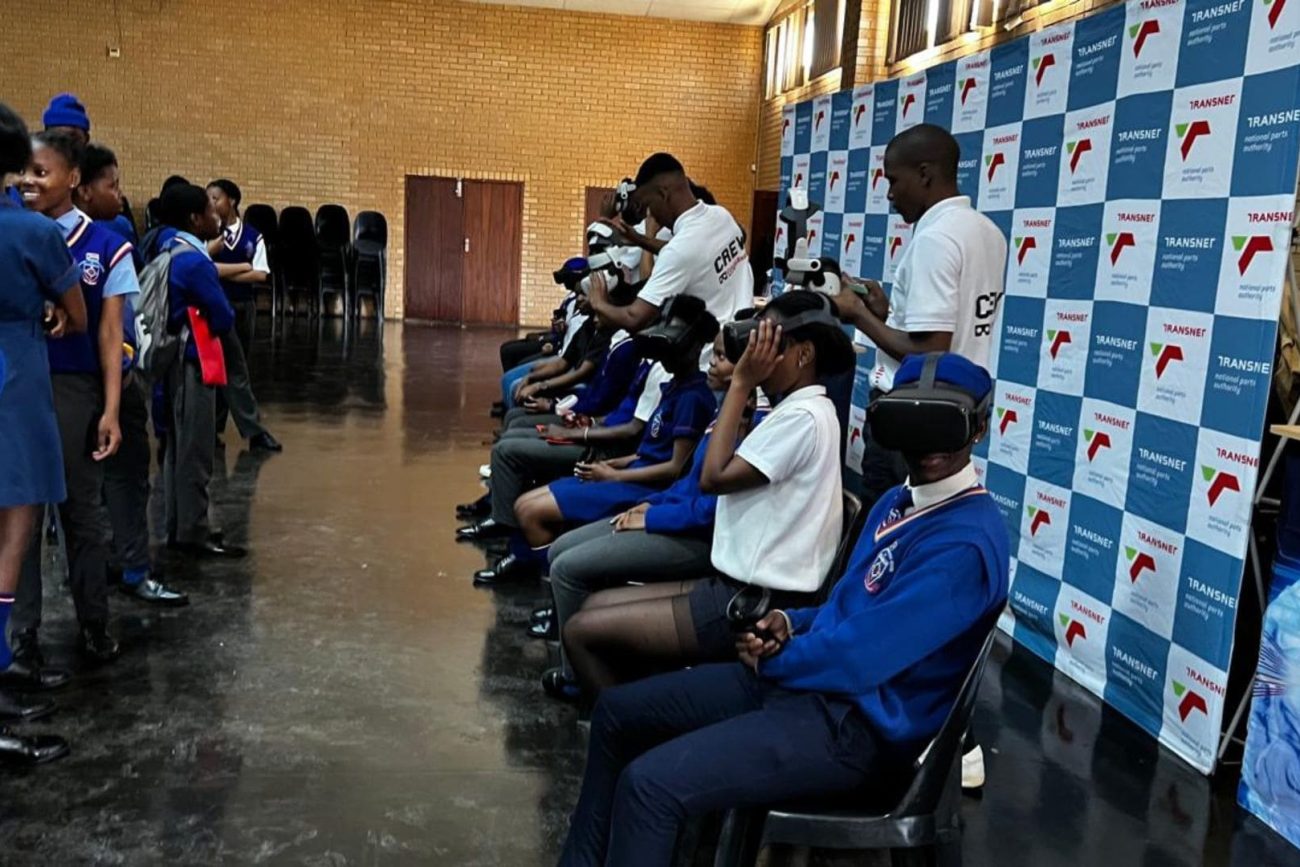
Virtual Reality served as a catalyst in demystifying complex subjects such as logistics and international trade, rendering them more accessible and comprehensible for young learners. By transforming abstract theoretical concepts into tangible, interactive experiences, VR facilitated a deeper cognitive engagement with the material. Students could visually and experientially grasp the multifaceted nature of maritime operations, from cargo handling to supply chain management. This experiential learning approach not only reinforced comprehension but also fostered critical thinking and problem-solving skills. The immersive nature of VR effectively bridged the gap between classroom instruction and real-world applications, enhancing overall educational outcomes.
Inspiring Future Careers in Maritime Industries
The VR activation was instrumental in sparking interest among students in pursuing careers within the maritime sector. By providing a firsthand look at the dynamic environments of South Africa’s ports, the program illuminated the diverse range of career opportunities available in logistics, engineering, and international trade. The immersive experience showcased the practical applications of academic concepts, demonstrating the tangible impact of these careers on the global economy. This early exposure to the maritime industry’s intricacies encouraged students to envision themselves in these roles, fostering a sense of ambition and direction. The initiative thus played a pivotal role in shaping the professional aspirations of the next generation, contributing to the sustained growth and innovation within the maritime sector.
Student and Educator Feedback
The reception of the VR activation among students and educators was overwhelmingly positive, reflecting its profound impact on learning and engagement. Students exhibited heightened enthusiasm and curiosity, often expressing amazement at the realism and interactivity of the VR experience. Testimonials highlighted the transformative nature of VR, with many students remarking that the virtual tours made complex subjects more understandable and exciting. Educators commended the initiative for its ability to captivate students’ attention and enhance their comprehension of intricate topics. Observations indicated a significant improvement in student engagement and retention of information, underscoring the efficacy of VR as a pedagogical tool. This feedback validated the initiative’s success in achieving its educational objectives.
The Future of VR in Education and Corporate Events
Expanding Educational Applications of VR
The potential applications of Virtual Reality in education extend far beyond the maritime industry, offering transformative possibilities across various disciplines. Virtual field trips, for instance, can transport students to historical landmarks, scientific laboratories, or even extraterrestrial landscapes, providing experiential learning opportunities that transcend geographical limitations. Immersive history lessons can enable students to witness historical events firsthand, fostering a deeper emotional and intellectual connection to the subject matter. The integration of VR into diverse educational curricula promises to enhance engagement, comprehension, and retention, paving the way for a more interactive and inclusive learning environment. Future VR activations are poised to explore these avenues, broadening the scope and impact of immersive education.
VR as a Tool for Corporate Engagement
Beyond the realm of education, Virtual Reality holds immense potential for corporate engagement, offering innovative solutions for training, product launches, and team-building activities. In training scenarios, VR can simulate real-world challenges, allowing employees to develop and refine their skills in a controlled, risk-free environment. Product launches can be revolutionized through immersive demonstrations, enabling potential clients to experience products in a virtual setting before their physical counterparts are available. Team-building exercises can leverage VR’s collaborative capabilities, fostering communication and cooperation among team members through shared virtual experiences. Virtual Reality Activations excels in tailoring these applications to meet diverse corporate needs, enhancing engagement and effectiveness in various business contexts.
Potential for Broader Technological Integration
The evolving landscape of VR technology presents numerous opportunities for broader integration across multiple industries and sectors. Emerging trends such as augmented reality (AR) and mixed reality (MR) are expanding the horizons of immersive technology, offering even more sophisticated and interactive experiences. Collaborations with other industries, including healthcare, engineering, and entertainment, can drive innovative applications of VR, enhancing both professional development and consumer engagement. The vision for the future of VR encompasses a seamless blend of physical and digital realities, enabling more intuitive and impactful interactions. As technological advancements continue to unfold, the potential for VR to enhance learning, professional development, and everyday experiences remains boundless, promising a future where immersive technology is integral to various facets of life.