
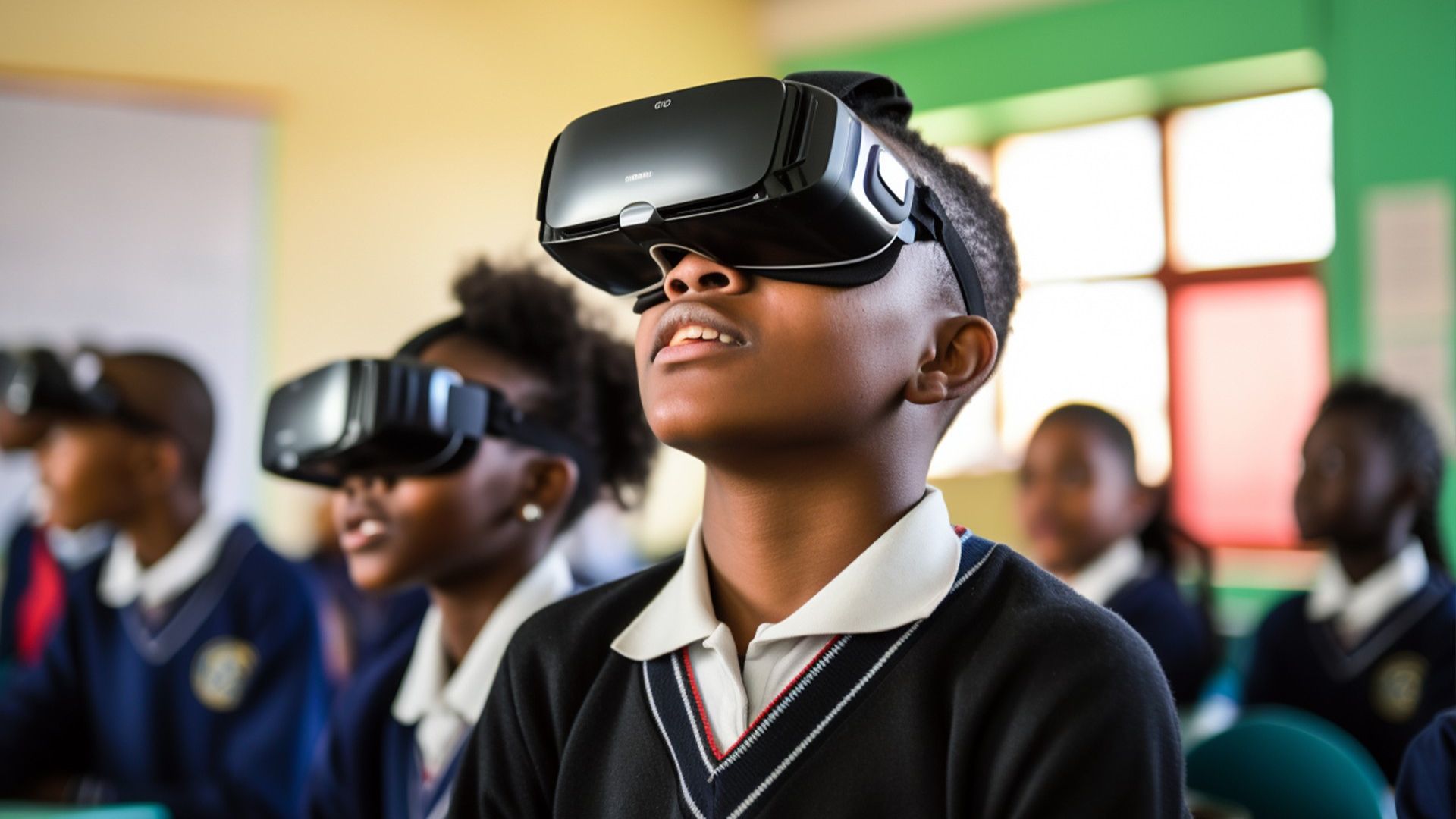
Immersive Experiences Transforming Traditional Classrooms
Virtual Reality (VR) has emerged as a groundbreaking tool in the educational landscape, reshaping how knowledge is delivered and absorbed. By transporting students into interactive, three-dimensional environments, VR fosters deeper engagement and understanding across various subjects. This comprehensive exploration delves into the multifaceted applications of VR in education, highlighting its benefits, implementation strategies, challenges, and practical examples that demonstrate its transformative potential.
Benefits of Virtual Reality in Education
Enhanced Engagement and Motivation
Imagine stepping into ancient Rome to witness the grandeur of the Colosseum firsthand or exploring the intricate structures of a human cell from within. Virtual Reality makes such immersive experiences possible, significantly boosting student engagement. Traditional textbooks and lectures often struggle to capture students’ attention, but VR’s interactive nature captivates learners, making education more appealing and enjoyable.
This heightened engagement translates into increased motivation to learn. When students can actively participate in their learning environment, they develop a stronger connection to the material. This active involvement not only makes learning more enjoyable but also reinforces retention and understanding, leading to better academic performance.
Personalized Learning Experiences
Every student has a unique learning style, and VR accommodates these differences by offering customizable educational experiences. Whether a student learns best through visual, auditory, or kinesthetic methods, VR can be tailored to suit individual preferences. For instance, visual learners can benefit from detailed 3D models, while kinesthetic learners can engage in interactive simulations that require physical movement.
Personalized VR experiences also allow for adaptive learning paths. As students progress, the VR system can adjust the difficulty level or provide additional resources based on their performance. This ensures that each learner receives the support they need, fostering a more inclusive and effective educational environment.
Improved Retention and Understanding
Studies have shown that VR can significantly enhance information retention compared to traditional learning methods. By engaging multiple senses and providing interactive experiences, VR helps students better understand and remember complex concepts. For example, in a chemistry class, students can visualize and manipulate molecules in a virtual space, leading to a deeper comprehension of chemical reactions.
Furthermore, VR enables experiential learning, where students learn by doing rather than just observing. This hands-on approach not only reinforces theoretical knowledge but also builds critical thinking and problem-solving skills. As a result, students are better prepared to apply what they’ve learned in real-world scenarios.
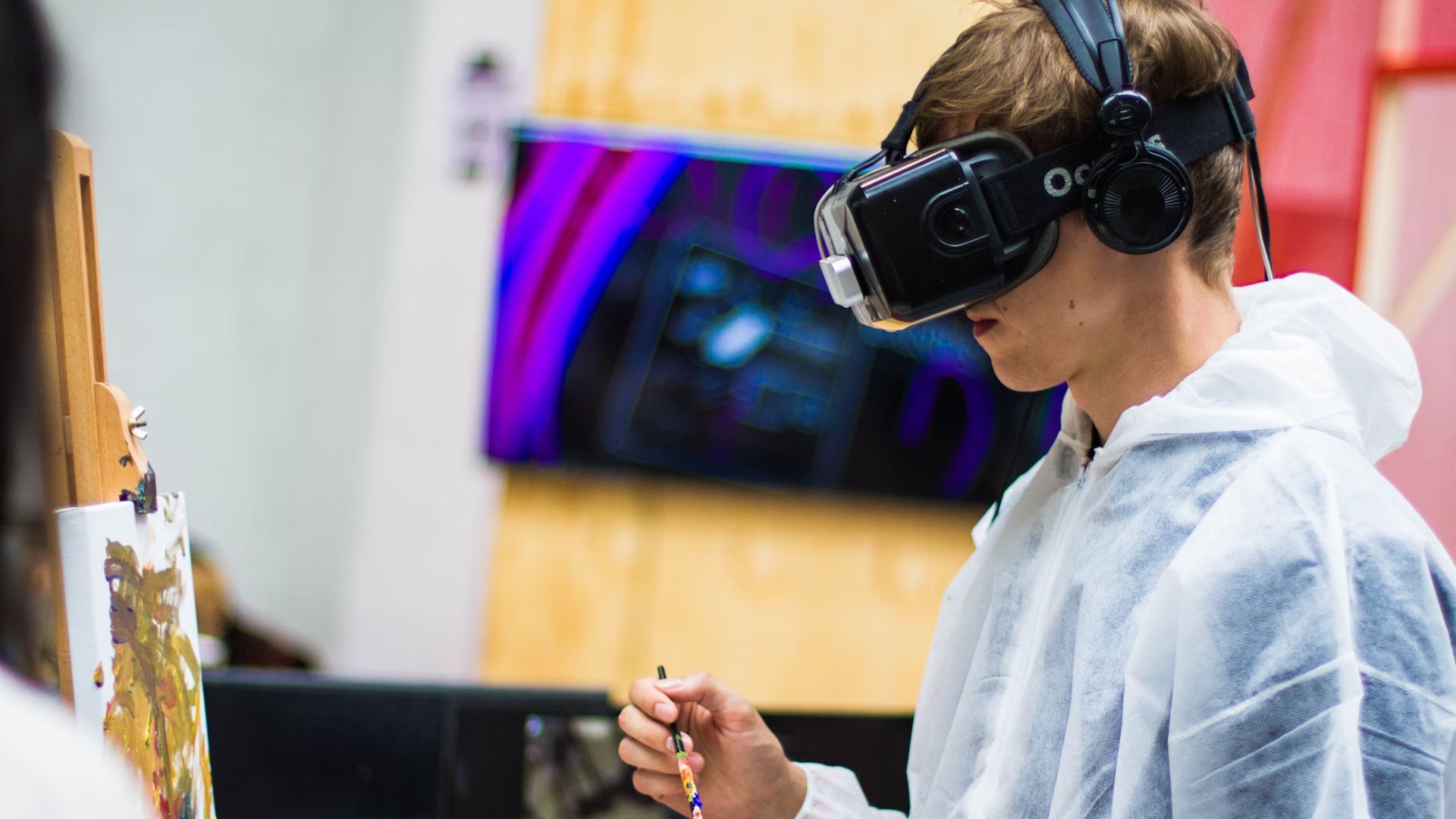
Implementing VR in the Classroom
Integrating VR with Existing Curriculum
Successfully incorporating VR into the classroom requires seamless integration with the existing curriculum. Educators must identify subjects and topics where VR can add the most value, such as history, science, and geography. For example, a history lesson on the Industrial Revolution can be enriched with a VR tour of a 19th-century factory, allowing students to observe machinery and understand working conditions firsthand.
Collaboration between educators and VR content developers is essential to ensure that the virtual experiences align with educational objectives. By designing VR modules that complement lesson plans, teachers can enhance their instructional methods without overwhelming students or deviating from the curriculum.
Training Educators for VR Adoption
The successful adoption of VR in education hinges on the preparedness of educators. Teachers need comprehensive training to effectively utilize VR technology and integrate it into their teaching practices. Professional development programs should cover the technical aspects of VR, such as operating VR hardware and software, as well as pedagogical strategies for maximizing its educational potential.
Empowering educators with the necessary skills and knowledge fosters confidence in using VR as a teaching tool. Additionally, ongoing support and resources can help teachers stay updated with the latest VR advancements and share best practices, ensuring sustained and effective use of the technology in the classroom.
Infrastructure and Resource Allocation
Implementing VR in education also requires adequate infrastructure and resource allocation. Schools must invest in VR hardware, such as headsets and compatible devices, as well as software licenses and maintenance services. Additionally, reliable internet connectivity and sufficient physical space are crucial for setting up VR stations where students can safely engage with the technology.
Budgeting for these resources involves careful planning and prioritization. Schools may explore partnerships with technology providers or seek grants and funding opportunities to offset costs. Ensuring that the necessary infrastructure is in place allows for the smooth integration of VR into the educational environment, maximizing its benefits for students.
Challenges and Solutions in VR Education
Addressing Technical Limitations
Despite its potential, VR in education faces several technical challenges. High-quality VR experiences require powerful hardware and stable internet connections, which may be beyond the reach of some educational institutions. Additionally, maintaining and troubleshooting VR equipment can be resource-intensive, posing a barrier to widespread adoption.
To overcome these limitations, schools can adopt scalable VR solutions that offer flexibility in hardware requirements. For instance, cloud-based VR platforms can reduce the need for extensive local infrastructure. Furthermore, establishing dedicated technical support teams or collaborating with external IT specialists can help manage and maintain VR systems, ensuring their reliability and longevity.
Ensuring Accessibility and Inclusivity
Accessibility is a critical consideration when implementing VR in education. Not all students may have the physical ability to use VR equipment comfortably, and some may experience motion sickness or other adverse effects. Additionally, ensuring that VR content is inclusive and representative of diverse perspectives is essential for fostering an equitable learning environment.
To promote accessibility, educators should provide alternative learning options for students who may not benefit from VR or who require accommodations. This could include offering supplementary materials or alternative activities that align with the same educational objectives. Designing VR content with inclusivity in mind, such as featuring diverse characters and scenarios, ensures that all students feel represented and engaged.
Balancing Screen Time and Traditional Learning
While VR offers immersive and interactive learning experiences, it’s important to balance its use with traditional teaching methods to prevent excessive screen time. Prolonged use of VR headsets can lead to eye strain and fatigue, and reliance on technology may detract from essential interpersonal skills developed through face-to-face interactions.
To address this, educators should strategically incorporate VR sessions into the curriculum, ensuring that they complement rather than replace traditional learning activities. Setting time limits for VR usage and encouraging breaks can mitigate potential health concerns. By maintaining a balanced approach, schools can harness the benefits of VR while preserving the holistic aspects of education.

Case Studies of VR in Education
Virtual Field Trips: Exploring the World Without Leaving the Classroom
Virtual field trips have revolutionized the way students explore the world, offering experiences that would be otherwise inaccessible due to logistical or financial constraints. For instance, students can embark on a virtual journey to the Great Barrier Reef, witnessing its vibrant marine life and understanding the impact of climate change on ecosystems. This immersive exploration provides a tangible connection to the subject matter, enhancing comprehension and empathy.
Schools that have integrated virtual field trips into their curriculum report increased student enthusiasm and participation. By bringing distant locations and historical sites into the classroom, VR bridges the gap between theoretical knowledge and real-world application, fostering a more comprehensive and engaging learning experience.
Medical Training: Simulating Complex Procedures
In the field of medical education, VR has become an invaluable tool for simulating complex procedures and surgical techniques. Medical students can practice surgeries in a risk-free virtual environment, allowing them to refine their skills and gain confidence before performing operations on real patients. This hands-on practice is crucial for developing proficiency and reducing the likelihood of errors in actual medical settings.
Beyond surgical training, VR is used to teach anatomy, enabling students to interact with detailed 3D models of the human body. This interactive approach enhances understanding of anatomical structures and their functions, providing a deeper grasp of human biology that traditional textbooks cannot achieve.
Language Learning: Immersive Conversational Practice
Language acquisition benefits significantly from VR’s immersive capabilities, offering students the opportunity to practice conversational skills in realistic settings. For example, learners of Spanish can engage in virtual dialogues with native speakers in a simulated marketplace, enhancing their pronunciation, vocabulary, and cultural understanding. This contextual learning approach fosters fluency and confidence in using the language.
Moreover, VR environments can simulate various scenarios, such as ordering food in a restaurant or navigating public transportation, providing practical language practice that extends beyond the classroom. By immersing students in authentic language contexts, VR accelerates the learning process and promotes long-term retention.
Tools and Resources for VR Education
Selecting the Right VR Platform
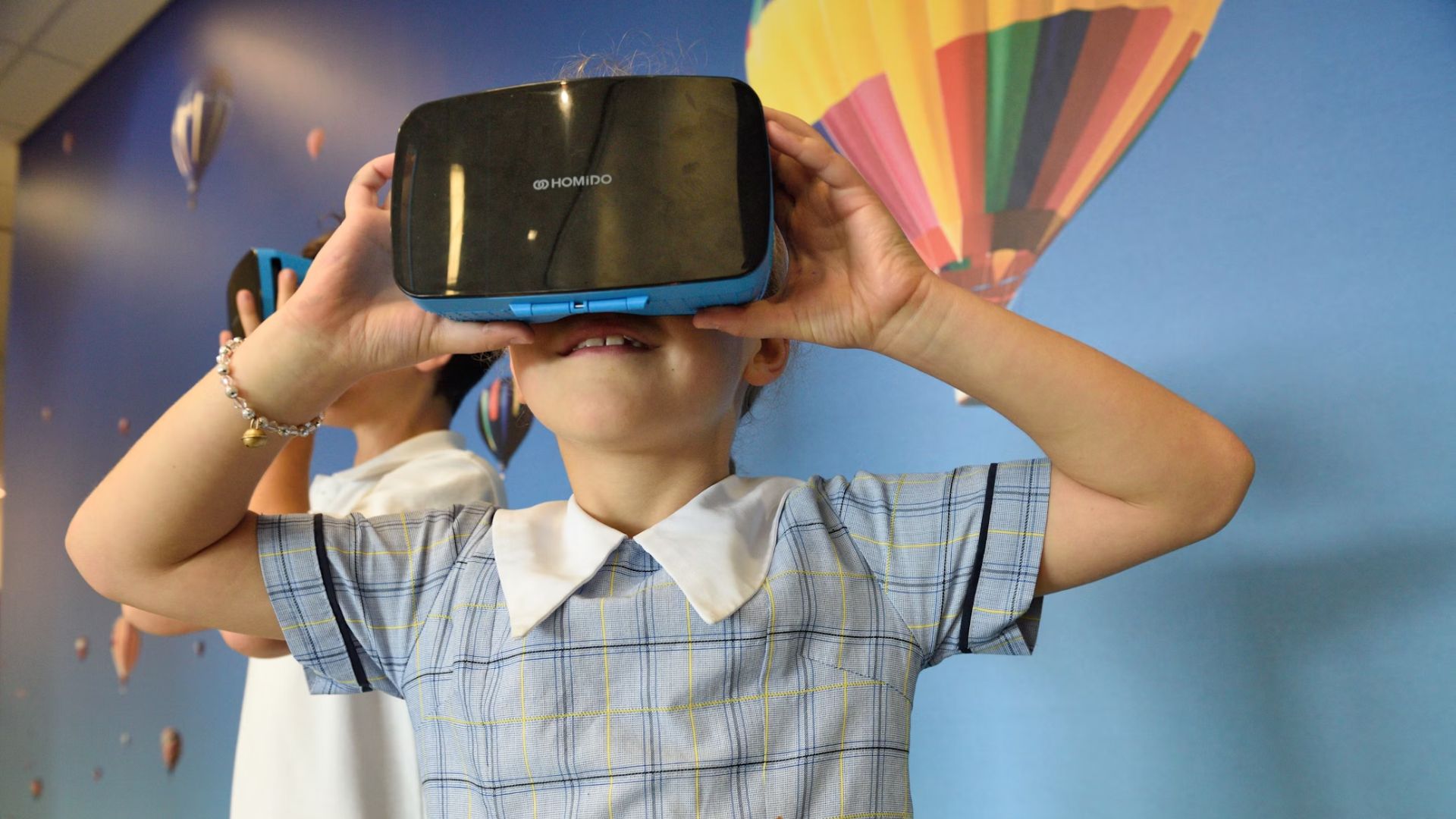
Choosing the appropriate VR platform is essential for effective educational implementation. Factors to consider include the platform’s compatibility with existing hardware, ease of use, content library, and support services. Popular VR platforms like Oculus for Education, Google Expeditions, and HTC Vive offer a range of educational applications tailored to different subjects and age groups.
Educators should evaluate the features and capabilities of each platform to determine which best aligns with their educational goals and technical infrastructure. Additionally, considering user reviews and seeking recommendations from other educational institutions can aid in making an informed decision.
Developing Custom VR Content
While pre-existing VR applications offer a wealth of educational content, developing custom VR experiences can address specific curriculum needs and learning objectives. Creating bespoke VR content involves collaborating with developers to design interactive modules that align with lesson plans and target key competencies.
Custom VR content allows for greater flexibility and personalization, enabling educators to incorporate unique elements and assessments tailored to their students. Investing in custom content development can enhance the relevance and effectiveness of VR in meeting diverse educational requirements.
Leveraging Open Educational Resources (OER)
Open Educational Resources (OER) provide a cost-effective way to access and integrate VR content into education. Platforms like MERLOT and OpenStax offer a variety of free VR modules and simulations that educators can utilize and adapt for their classrooms. These resources often come with comprehensive guides and support materials, facilitating easier implementation and customization.
By leveraging OER, schools can expand their VR offerings without significant financial investments. Additionally, contributing to and collaborating within the OER community promotes the sharing of best practices and innovative ideas, fostering a collaborative approach to VR education.
Frequently Asked Questions
How can Virtual Reality enhance the learning experience for students?
Virtual Reality enhances learning by providing immersive, interactive environments that engage multiple senses. This immersion fosters deeper understanding and retention of information, as students can visualize and interact with complex concepts in a tangible way. Additionally, VR accommodates different learning styles, offering personalized experiences that cater to individual preferences and needs.
What subjects benefit the most from Virtual Reality in education?
Subjects that involve spatial understanding, complex processes, or experiential learning benefit significantly from Virtual Reality. These include science (e.g., biology, chemistry, physics), history, geography, medical training, engineering, and language learning. VR allows students to explore intricate systems, historical events, and real-world scenarios in an interactive and engaging manner.
Are there any risks associated with using Virtual Reality in the classroom?
While Virtual Reality offers numerous benefits, there are potential risks such as eye strain, motion sickness, and overreliance on technology. Prolonged use of VR headsets can cause discomfort, so it’s important to limit session durations and encourage regular breaks. Additionally, ensuring that VR content is balanced with traditional teaching methods helps prevent excessive dependence on technology and promotes a well-rounded educational experience.
What equipment is needed to implement Virtual Reality in schools?
Implementing Virtual Reality in schools requires several key pieces of equipment, including VR headsets (such as Oculus Rift, HTC Vive, or Google Cardboard for more affordable options), compatible computers or devices, and appropriate software or applications. Additionally, schools may need accessories like controllers and sensors to enhance interactivity. Ensuring adequate storage space and maintaining the equipment are also important considerations for successful VR integration.
How can educators create engaging Virtual Reality content for their students?
Educators can create engaging Virtual Reality content by collaborating with VR developers to design interactive and relevant modules that align with their curriculum. Incorporating storytelling elements, interactive tasks, and real-world applications can make VR experiences more compelling. Additionally, leveraging existing VR platforms and tools that offer user-friendly content creation features allows educators to customize and develop their own VR lessons without extensive technical expertise.