
Shaping the Next Generation of Interactive Learning
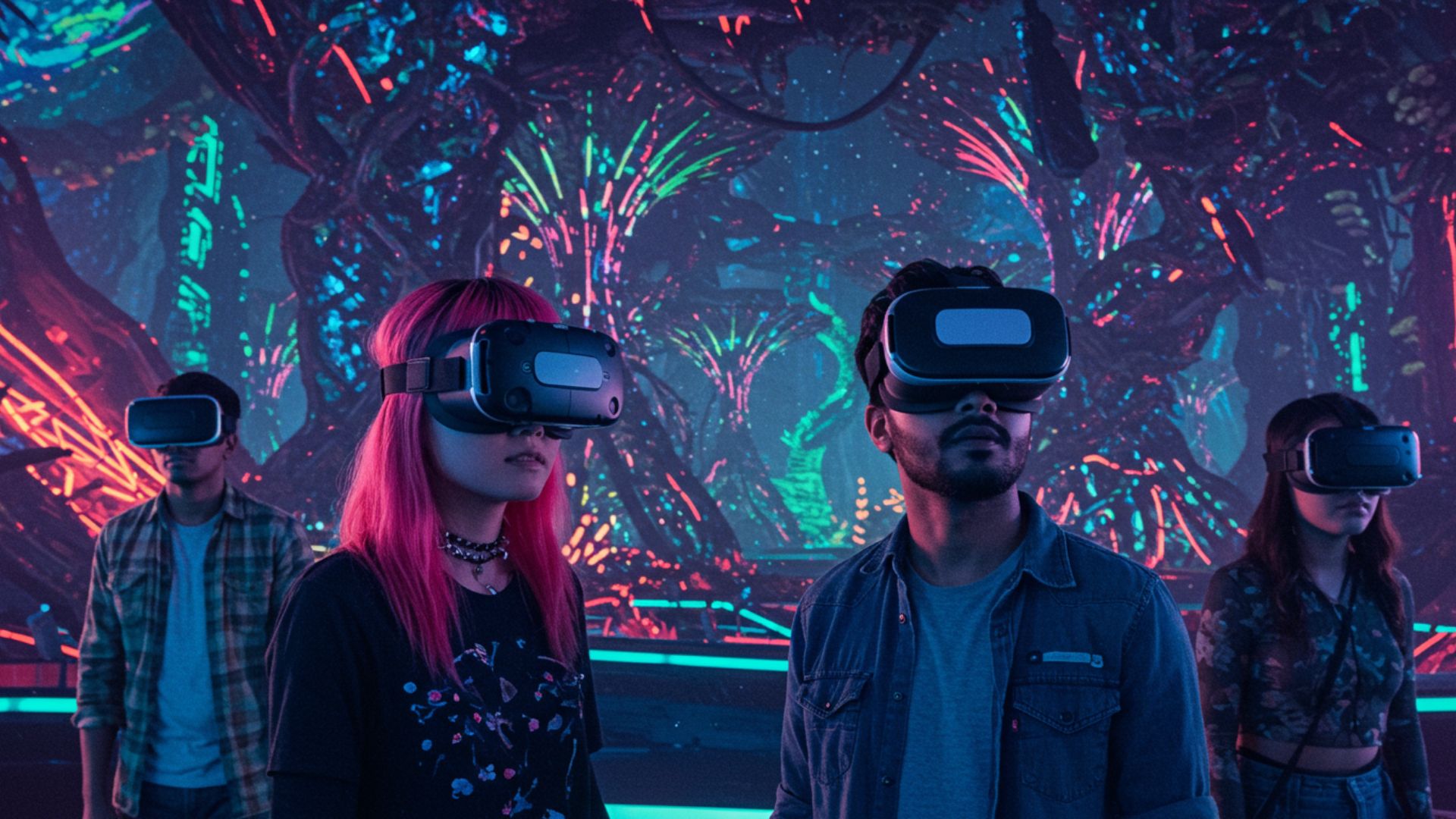
Imagine slipping on a headset and finding yourself in a virtual laboratory, learning the principles of chemistry by experimenting with reactions in real time. Virtual Reality (VR) education has the power to bring lessons to life in vivid detail, engaging multiple senses at once and transforming abstract ideas into tangible experiences. Whether students are exploring ancient civilizations or practicing lifesaving medical procedures, VR blurs the line between education and adventure, heightening both curiosity and retention.
At its core, VR education embraces a student-centric model of discovery and interaction. Rather than passively receiving information, learners can manipulate virtual objects, collaborate with peers in digital spaces, and receive instant feedback. This immersive approach caters to various learning styles, providing a platform for hands-on exploration that is difficult to replicate in traditional classrooms. The journey below delves into how virtual reality is revolutionizing modern teaching methods, bridging geographical gaps, and enriching the educational landscape for diverse learners worldwide.
Immersive Classroom Experiences
Engaging Visuals and Interactive Lessons
A lesson on marine biology becomes unforgettable when students virtually swim alongside turtles or hover over coral reefs teeming with life. VR environments tap into the human proclivity for visual storytelling, illustrating concepts with vibrant 3D models and interactive features. By touching or manipulating digital elements, learners absorb knowledge more effectively, transforming abstract information into practical insights they can recall long after class ends.
Unlike static images in textbooks, interactive lessons empower students to experiment with various outcomes. For instance, a volcano simulation can demonstrate the difference between effusive and explosive eruptions, allowing learners to adjust parameters in real time. This immediate cause-and-effect feedback fosters curiosity and cements understanding. As visual data shifts from one state to another, students move beyond memorization, immersing themselves in knowledge that feels immediate and alive.
Emotional Impact on Learners
Stepping into a historical event—such as exploring ancient Egyptian tombs—carries an emotional resonance that no lecture or slideshow can replicate. Immersion in realistic settings can elicit excitement, empathy, and wonder. These emotional triggers play a powerful role in strengthening neural connections, making the associated information more accessible in the long term. Students often report feeling genuinely invested in these VR narratives, which drives deeper engagement and a thirst for further exploration.
Emotions also influence social dynamics within a learning environment. Empathy exercises, such as role-playing in virtual scenarios, can help learners understand different perspectives, whether it’s experiencing the aftermath of an environmental disaster or witnessing the daily life of a historical figure. Such firsthand emotional insights foster critical thinking and spark meaningful classroom discussions. In this way, VR transcends rote knowledge, inviting students to reflect on the human element behind every subject.
Personalized Curriculum Paths
Virtual modules can adapt on the fly, analyzing individual progress and tailoring content to meet specific goals or skill gaps. This flexibility ensures that advanced learners aren’t held back by standardized pacing, while those needing more support can revisit foundational concepts. VR platforms can measure reaction times, dwell periods on specific tasks, and even student stress levels, then optimize lessons to match each user’s unique learning curve.
Rather than a one-size-fits-all curriculum, VR personalizes the journey, transforming each session into a uniquely guided exploration. A student struggling with geometric proofs, for instance, can practice by manipulating 3D shapes and visualizing how angles and edges relate. Conversely, a fast-advancing peer might explore more complex levels of shape manipulation or venture into related mathematical applications. By pivoting the curriculum in real time, virtual reality offers an empowering learning experience that aligns with each learner’s pace and style.

Practical Skill Training in VR
Simulated Laboratory Environments
Donning a headset can transport a class into a virtual chemistry lab, where dangerous substances lose their real-world risks while retaining scientific realism. Students can measure, heat, or combine chemicals, observing immediate, accurate reactions with no threat of injury or equipment damage. In fields like biology or physics, VR labs allow them to run intricate experiments without being hindered by high material costs or space limitations.
The absence of physical constraints also enables repeated practice without depleting limited resources. Aspiring researchers might conduct dozens of virtual experiments to refine their techniques, adjusting variables and collecting data at a pace that wouldn’t be feasible in a real lab. The result is a confidence boost and stronger practical acumen. When learners eventually step into a physical lab, they carry advanced preparation and a deeper understanding of core scientific principles.
Medical and Surgical Practice
Trainee surgeons can now rehearse intricate operations in VR, handling virtual scalpel tools and simulating patient responses with uncanny accuracy. This environment amplifies learning beyond textbook diagrams, letting future doctors study both anatomy and procedure by engaging with interactive 3D models. Mistakes in technique trigger real-time feedback without putting patients at risk, allowing early practitioners to master complex skills in a safe, controlled setting.
Beyond the basics of technique, VR fosters better decision-making under stress. Surgeons practicing life-saving interventions may face simulated complications, forcing them to pivot strategies and adapt on the fly. These high-fidelity simulations refine not only motor skills but also mental agility, bridging the gap between academic knowledge and clinical reality. By the time they treat real patients, these professionals carry invaluable experience gained through countless digital rehearsals.
Technical and Engineering Workshops
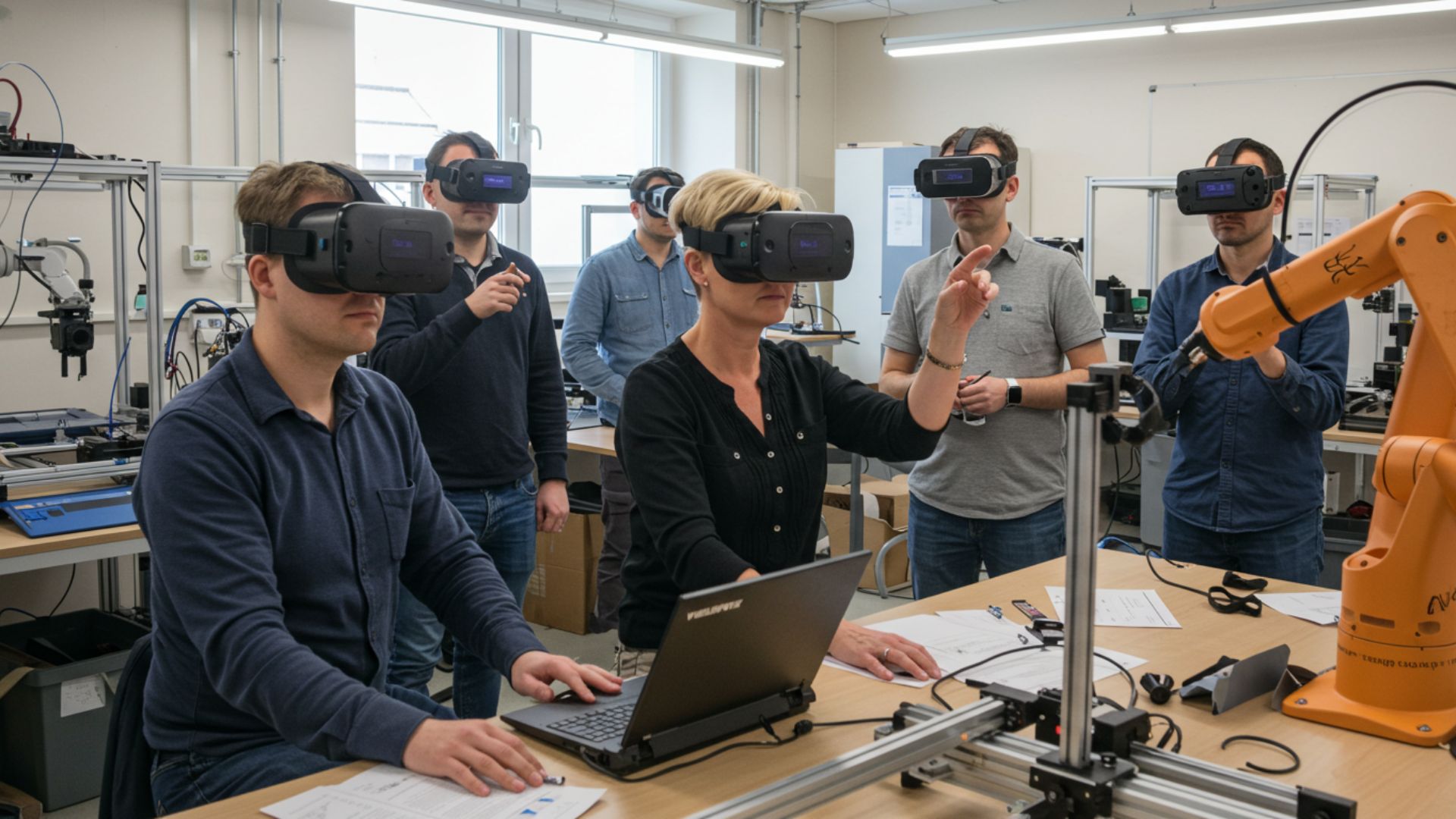
Future engineers can tinker with virtual circuitry or design mechanical prototypes at minimal expense and in a fraction of the usual time. VR workshops allow them to piece together components, run simulated stress tests, and even experience mechanical failures, all while receiving direct performance metrics. Whether constructing a bridge or troubleshooting an engine, mistakes become teachable moments rather than costly setbacks.
By mimicking real-world physics, these digital spaces let students experiment with structural integrity and design choices in a risk-free environment. They can observe where strain accumulates on a beam or how aerodynamic changes alter performance, then iterate quickly. The result is iterative learning, where students refine projects until they grasp fundamental engineering principles. This dynamic, hands-on approach paves the way for budding innovators, freeing them from material constraints and empowering them to delve deeper into complex designs.
Overcoming Geographical Barriers
Virtual Field Trips
A rural classroom can virtually visit the Louvre in Paris or trek through the Amazon rainforest without leaving the school building. Virtual field trips democratize experiences that were once reserved for those with travel resources or local proximity. Students roam museum halls, zoom in on brushstrokes of iconic paintings, and listen to digital docent presentations, all within a meticulously recreated environment.
These immersive journeys kindle curiosity and cultural appreciation. History or art lessons become more tangible, as learners encounter exhibits in the context for which they were made. This sense of presence turns static facts into living narratives. For disadvantaged regions or underfunded districts, VR effectively levels the educational playing field, granting global exposure to individuals who might never physically travel to these distant corners of the world.
Multi-Cultural Exchange Programs
Cultural exchange—long treasured for broadening perspectives—now embraces a digital form. Through VR, students in one country can meet peers from another, touring each other’s virtual hometowns or schools. Beyond language practice, these sessions foster camaraderie, as learners share experiences and problem-solve collaboratively in immersive group activities. It’s akin to a foreign exchange program without the logistical hurdles of cross-border travel.
Exchanges may involve joint lessons on global issues, where each group presents local data or traditions to the other. For instance, a class from Japan could collaborate with students from Brazil on an environmental project, virtually examining ecosystems and brainstorming ecological solutions. The sense of direct engagement transcends video conferencing, blending real-world authenticity with the convenience of digital interaction. This intercultural dialogue enriches classroom discussions and cultivates global citizenship.
Equal Access to Quality Education
Many communities face challenges like teacher shortages, outdated textbooks, or lack of specialized equipment. Virtual reality solutions help bridge these educational gaps by offering modules that fill subject voids with interactive resources. A remote village with limited lab space can harness VR kits to replicate high-quality science instruction, so students explore advanced concepts that once felt out of reach.
Additionally, VR can address diverse learning preferences. Students with disabilities who might struggle in conventional classrooms can benefit from carefully tailored simulations or custom interfaces. The ability to modify lessons for visually impaired or physically limited learners expands inclusivity. By granting universal access to immersive, top-tier educational experiences, virtual reality represents a powerful equalizer, providing every learner a shot at success, regardless of geography or circumstances.

Collaboration and Group Projects
Cooperative Problem-Solving
Imagine a set of learners scattered across different continents, converging in a shared digital platform to tackle a challenging geometry puzzle. Each participant manipulates 3D shapes from their respective location, discussing approaches and verifying calculations in real time. Collaboration feels natural, whether they’re building equations or scanning a simulated environment for vital clues. This synergy elevates each student’s perspective, fueling collective achievements unattainable in isolation.
Group tasks in VR can also incorporate role-based challenges, wherein one student oversees logistics while another manages data analysis. This dynamic experience builds transferable teamwork competencies that mirror actual professional settings. By forging meaningful peer connections through digital problem-solving, students not only complete tasks but also learn valuable interpersonal skills, such as resolving conflicts and distributing responsibilities effectively.
Team-Building in VR Worlds
Beyond academic exercises, VR fosters social cohesion by immersing teams in gamified challenges. Classmates might band together to defend a virtual fort, each responsible for building defenses or strategizing the final stand. These playful interactions encourage communication, adaptability, and leadership. Students who struggle to connect through traditional group work often flourish in these visually engaging and low-pressure environments.
Such experiences also reduce the intimidation factor for those hesitant to speak up in face-to-face settings. Shy learners can project confidence through customizable avatars, discovering their voice in teamwork scenarios. Over time, this empowerment carries into real-world interactions. By focusing on fun and creative collaboration, VR fosters a sense of camaraderie that invigorates group projects, forging deeper social bonds while reinforcing course-related objectives.
Instructor and Peer Feedback
In a traditional classroom, feedback often arrives after a test or homework submission, leaving little room for on-the-spot improvement. VR shifts this dynamic by offering real-time assessment through digital cues and peer observation. During a simulated woodworking project, for instance, the system can alert a student if they use the wrong tool angle or sanding technique. Instructors can drop into the session to provide immediate pointers, ensuring that corrections occur at the point of learning.
Peer-driven feedback grows more natural and less daunting in VR as well. Students might watch each other perform tasks from multiple angles and chime in with constructive observations. This open critique system refines interpersonal skills: it teaches learners how to deliver advice diplomatically and accept suggestions gracefully. By weaving instantaneous, supportive feedback into every collaborative step, VR helps maintain a growth mindset and streamlines skill acquisition.

Frequently Asked Questions
How can VR accommodate different learning styles?
Virtual environments present multiple ways to absorb knowledge—through visual simulations, kinesthetic manipulation of objects, or auditory cues. This versatility allows educators to blend various methods, ensuring that visual, auditory, and tactile learners all benefit. As a result, students can engage with content in a mode that resonates best with their individual preferences.
Is specialized equipment necessary for schools to adopt VR?
High-end headsets and powerful computers can enhance immersion, but some VR platforms function adequately on lower-cost devices. Standalone headsets provide convenience by removing the need for external sensors or cables. While top-tier hardware offers the richest experience, entry-level solutions still grant learners access to the core advantages of immersive education.
Does VR learning risk reducing face-to-face social interaction?
Virtual reality often emphasizes teamwork and communication via digital avatars, which can actually improve social skills in a structured environment. Many activities require collaboration, reinforcing interpersonal relationships rather than replacing them. Successful VR programs blend online and offline elements, ensuring students maintain real-world connections while exploring new dimensions of learning.
How do educators measure progress in VR simulations?
Many platforms include performance analytics that track a student’s actions, response times, and levels of mastery. Educators can review this data to identify areas needing improvement or to customize additional practice modules. By combining system-generated insights with personal observation, instructors form a holistic view of each student’s growth.
What are the cost implications of implementing VR in schools?
Initial investments can be substantial, covering hardware, software licenses, and educator training. However, long-term savings may offset these expenses. Virtual simulations reduce material costs, enable large-scale field trips without travel fees, and save on specialized equipment. Grants, partnerships, or phased implementation strategies help institutions integrate VR without overwhelming budgets.