

The Dawn of a New Educational Era
Defining Virtual Reality in Education
Virtual Reality (VR) is revolutionizing the landscape of education by immersing students in dynamic, interactive environments that transcend the limitations of traditional learning methods. At its core, VR creates a simulated environment that users can engage with as if it were real. In educational settings, VR is utilized to bring abstract concepts to life, providing students with hands-on experiences that are otherwise impossible or impractical. This technology encompasses a range of applications from virtual field trips to interactive simulations, fundamentally transforming how subjects are taught and experienced in schools. As VR continues to evolve, its integration into educational curricula is proving to be a game-changer, offering unprecedented opportunities for engagement and comprehension.
The Evolution of VR Technology and Its Educational Impact
The journey of VR technology from its inception to its current state reflects a remarkable evolution. Initially confined to the realms of science fiction, VR has now become a tangible tool with profound implications for education. Early VR systems were bulky and expensive, limiting their use to specialized fields. However, advancements in technology have made VR more accessible and cost-effective. Modern VR headsets are lighter, more affordable, and capable of delivering high-fidelity experiences. This evolution has enabled educational institutions to integrate VR into their teaching methods, enhancing interactive learning and providing students with immersive experiences that enrich their understanding of complex subjects.
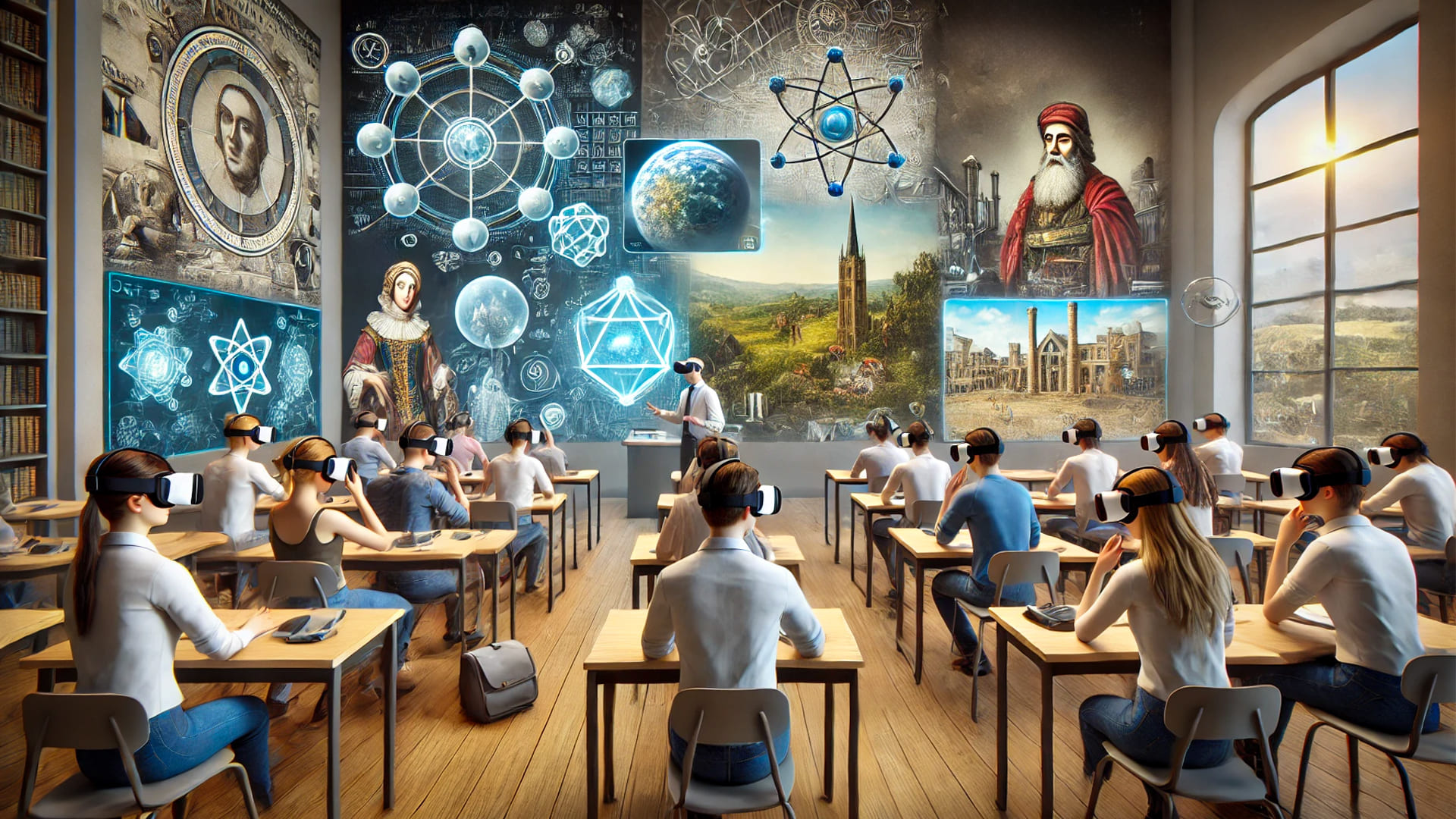
Immersive Learning Experiences: Transforming Classroom Dynamics
Virtual Field Trips: Exploring Beyond Physical Limits
Virtual field trips are one of the most exciting applications of VR in education. By leveraging VR technology, students can explore distant or inaccessible locations without leaving their classrooms. This capability not only broadens students’ horizons but also enhances their understanding of global cultures, historical events, and scientific phenomena. Virtual field trips allow learners to visit ancient civilizations, explore the depths of the ocean, or even journey through space—all from the comfort of their desks. These experiences foster global awareness and a deeper appreciation of diverse environments and histories, which can significantly enrich students’ educational experiences.
Case Studies: Successful Virtual Field Trips in Education
Numerous educational institutions have embraced virtual field trips with remarkable success. For example, a high school in California used VR to take students on a virtual tour of the International Space Station, providing an immersive experience that brought the complexities of space travel to life. Similarly, a history class in New York utilized VR to recreate ancient Rome, allowing students to interact with historical artifacts and architecture. These case studies highlight the transformative potential of VR in education, demonstrating how virtual field trips can captivate students’ imaginations and provide them with a richer, more engaging learning experience.
Interactive Simulations: Bringing Abstract Concepts to Life
VR simulations offer a unique way to make abstract concepts tangible. By immersing students in simulated environments, VR helps bridge the gap between theory and practice. For instance, in a physics class, students can use VR to experiment with concepts like gravity and momentum in a controlled virtual environment, allowing them to visualize and manipulate forces that are otherwise intangible. These simulations provide an interactive and experiential approach to learning, making complex topics more accessible and understandable. As VR technology advances, the range and depth of these simulations continue to expand, offering increasingly sophisticated tools for education.
Examples of Subject Areas Enhanced by VR Simulations
VR simulations are enhancing a variety of subject areas beyond just physics. In biology, virtual dissections allow students to explore anatomical structures in detail without the need for physical specimens. In chemistry, VR can simulate chemical reactions and molecular structures, providing a hands-on learning experience without the hazards of real-life experiments. These applications of VR in different subjects demonstrate its versatility and effectiveness in making abstract concepts more comprehensible and engaging for students.
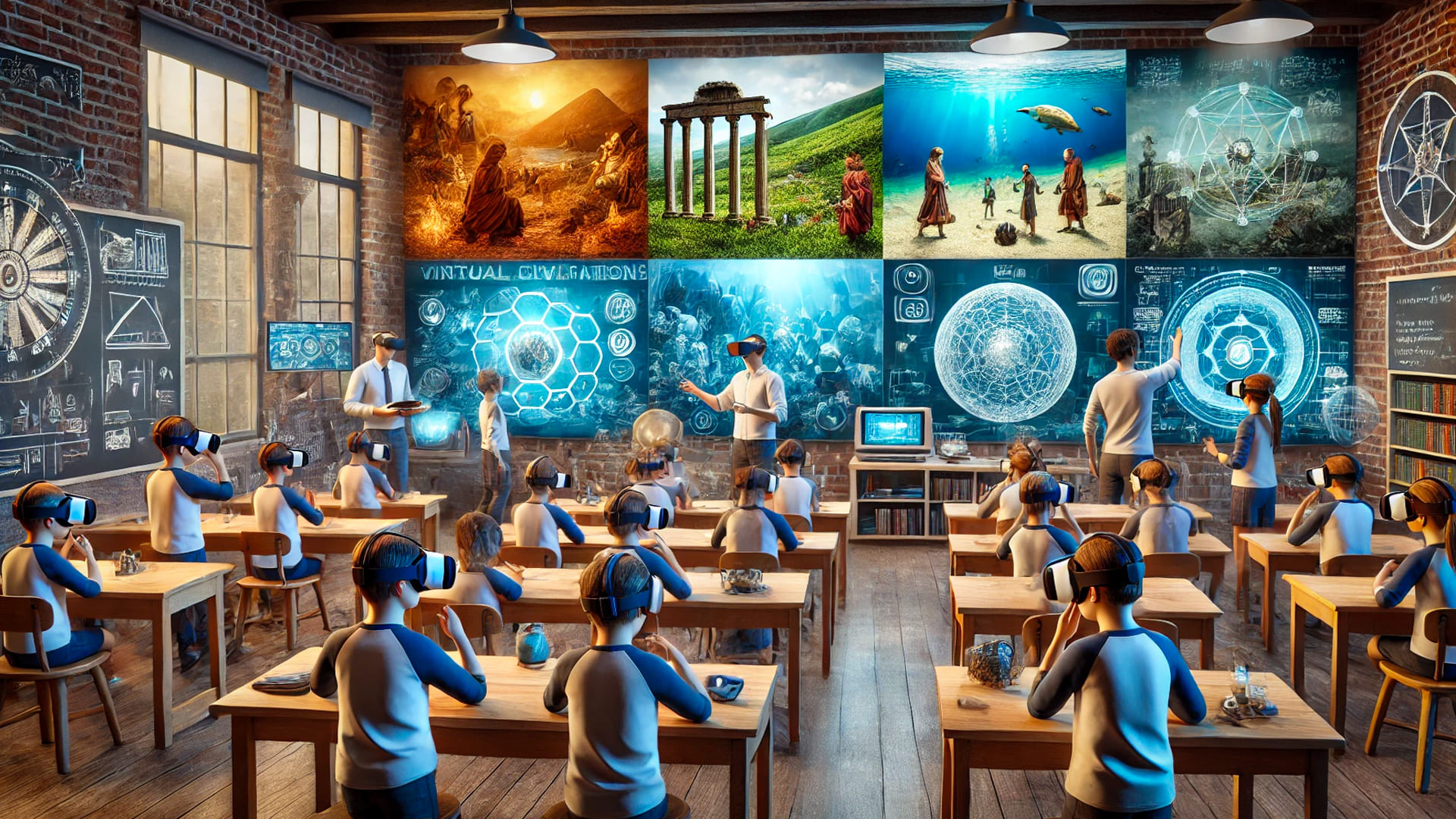
VR in Science and Engineering: Practical Experiments in a Virtual Space
In the fields of science and engineering, VR is proving to be an invaluable tool for practical experiments and hands-on learning. Virtual labs enable students to conduct experiments and explore scientific principles in a risk-free, controlled environment. This capability is particularly beneficial for disciplines that require complex and expensive equipment, as VR allows students to engage with advanced technologies and methodologies without the associated costs. For instance, engineering students can use VR to simulate the design and testing of structures, providing a deeper understanding of engineering principles and their real-world applications.
Real-World Applications of VR in Engineering Education
The real-world applications of VR in engineering education are vast and varied. One notable example is the use of VR for architectural design and urban planning. VR allows students to visualize and interact with architectural models in 3D, providing a more immersive experience than traditional blueprints. Additionally, VR simulations of engineering processes, such as manufacturing and construction, enable students to practice and refine their skills in a virtual setting before applying them in real-world scenarios. These applications highlight VR’s potential to enhance practical learning and better prepare students for professional challenges in the engineering field.
VR for History and Social Studies: Experiencing the Past
VR’s capabilities extend beyond the sciences to subjects like history and social studies, where it can provide immersive experiences that bring historical events and social phenomena to life. By recreating historical settings and events in virtual environments, VR enables students to explore and interact with the past in ways that traditional textbooks cannot offer. This experiential approach helps students develop a deeper understanding of historical contexts and social dynamics, fostering a greater appreciation for different cultures and historical periods.
How VR Can Foster Empathy and Understanding in Social Studies
In social studies, VR has the potential to foster empathy and understanding by allowing students to experience different perspectives and situations. For example, virtual simulations of historical events or contemporary social issues can help students gain insight into the experiences of individuals from diverse backgrounds. This immersive approach encourages students to engage with complex social issues on a personal level, promoting a greater sense of empathy and understanding. By bridging the gap between theory and personal experience, VR can enhance students’ awareness of global challenges and contribute to more informed and compassionate citizens.
Personalized Learning: Tailoring Education with VR
Customized Learning Paths and Adaptive Learning Environments
VR offers significant advantages in creating customized learning experiences tailored to individual students’ needs. Through adaptive learning environments, VR can adjust content and difficulty levels based on students’ progress and performance. This personalized approach allows students to learn at their own pace and receive targeted support where needed. For instance, VR educational platforms can track students’ interactions and adapt the learning material accordingly, providing a more personalized and effective learning experience. This customization enhances students’ engagement and retention of knowledge by aligning the educational content with their unique learning styles and abilities.
The Role of VR in Supporting Diverse Learning Needs
VR plays a crucial role in supporting diverse learning needs by providing a variety of learning experiences that cater to different abilities and preferences. For students with learning disabilities, VR can offer alternative ways to engage with educational content, such as through interactive simulations or visual representations of complex concepts. Additionally, VR can facilitate collaborative learning opportunities, allowing students to work together in virtual environments and support each other’s learning. By accommodating various learning styles and needs, VR helps create a more inclusive and equitable educational experience for all students.
Tracking Progress and Providing Feedback in a Virtual Setting
Innovative tools within VR platforms enable educators to monitor student progress and provide real-time feedback in ways that traditional methods cannot match. Through VR, teachers can observe students’ interactions, assess their performance, and identify areas for improvement. Real-time feedback mechanisms within VR environments allow students to receive immediate guidance and support, facilitating a more dynamic and responsive learning process. This capability enhances the effectiveness of instruction and helps students stay on track with their learning objectives, contributing to overall academic success.
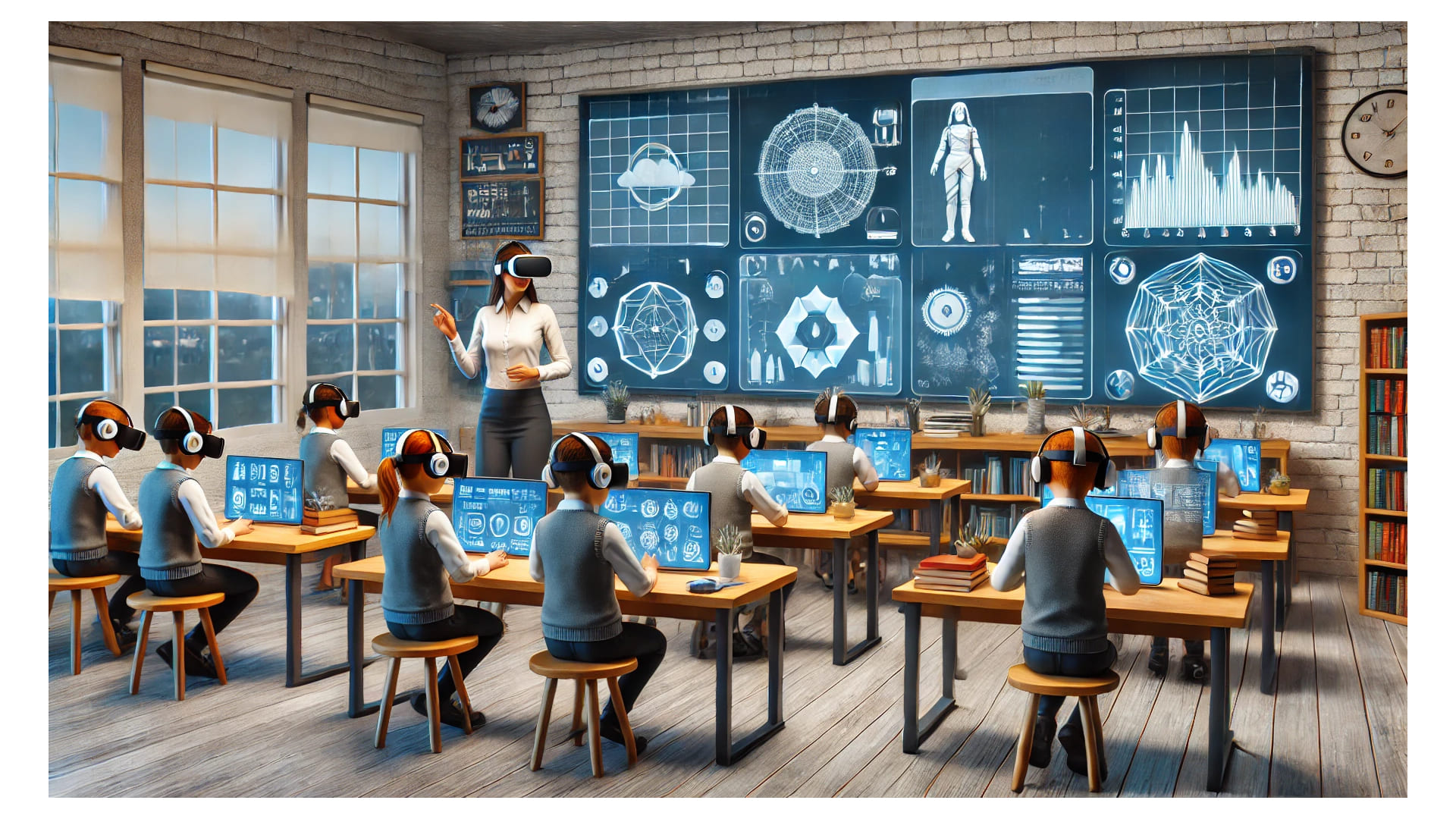
Overcoming Challenges and Embracing the Future
Addressing the Limitations of VR in Education
While VR offers numerous benefits for education, there are also challenges to address. Common obstacles include the high cost of VR equipment, technical difficulties, and the need for appropriate training for educators. Additionally, ensuring that VR experiences are accessible to all students, including those with disabilities, requires careful consideration and design. Addressing these limitations involves investing in affordable VR solutions, providing technical support, and developing inclusive VR content that meets diverse needs. By overcoming these challenges, educational institutions can fully realize the potential of VR and integrate it effectively into their teaching practices.
Ensuring Accessibility and Equity in VR Education
Ensuring accessibility and equity in VR education is crucial for maximizing its impact. This involves making VR technology available to all students, regardless of socioeconomic background, and ensuring that VR content is inclusive and accommodating to various learning needs. Partnerships with technology providers, government initiatives, and community support can help bridge the gap and provide equal opportunities for all students to benefit from VR education. By prioritizing accessibility and equity, educational institutions can create a more inclusive learning environment and promote equal access to innovative educational tools.
The Future of VR in Education: Trends and Innovations
Looking ahead, the future of VR in education promises exciting trends and innovations. Emerging technologies such as augmented reality (AR) and mixed reality (MR) are expected to complement VR, creating even more immersive and interactive learning experiences. Additionally, advancements in VR hardware and software will continue to enhance the quality and accessibility of virtual education. Predictions for the future of VR in education include increased integration with artificial intelligence, more personalized learning experiences, and greater collaboration between educational institutions and technology developers. These innovations will shape the future of education, offering new opportunities for engagement and learning in the digital age.
The Road Ahead for Virtual Reality in Education
Recapping the Transformative Effects of VR on Education
Virtual Reality is fundamentally transforming education by offering immersive and interactive learning experiences that surpass traditional methods. From virtual field trips to interactive simulations, VR is enhancing students’ understanding of complex subjects and providing personalized learning opportunities. The technology’s ability to create engaging and dynamic educational environments makes it a powerful tool for modern classrooms. As VR continues to evolve, its impact on education will likely grow, offering even more innovative ways to enrich and expand students’ learning experiences.
The Potential Long-Term Impact on Educational Practices
The long-term impact of VR on educational practices holds great promise. As VR technology becomes more integrated into curricula, it has the potential to reshape traditional teaching methods and create new educational paradigms. The ability to provide immersive, interactive, and personalized learning experiences can lead to deeper understanding, increased engagement, and improved academic outcomes. By embracing VR and its capabilities, educational institutions can pave the way for a more dynamic and effective approach to teaching and learning, ultimately preparing students for success in an increasingly digital and interconnected world.