
Virtual Reality in Education
The Evolution of VR Technology
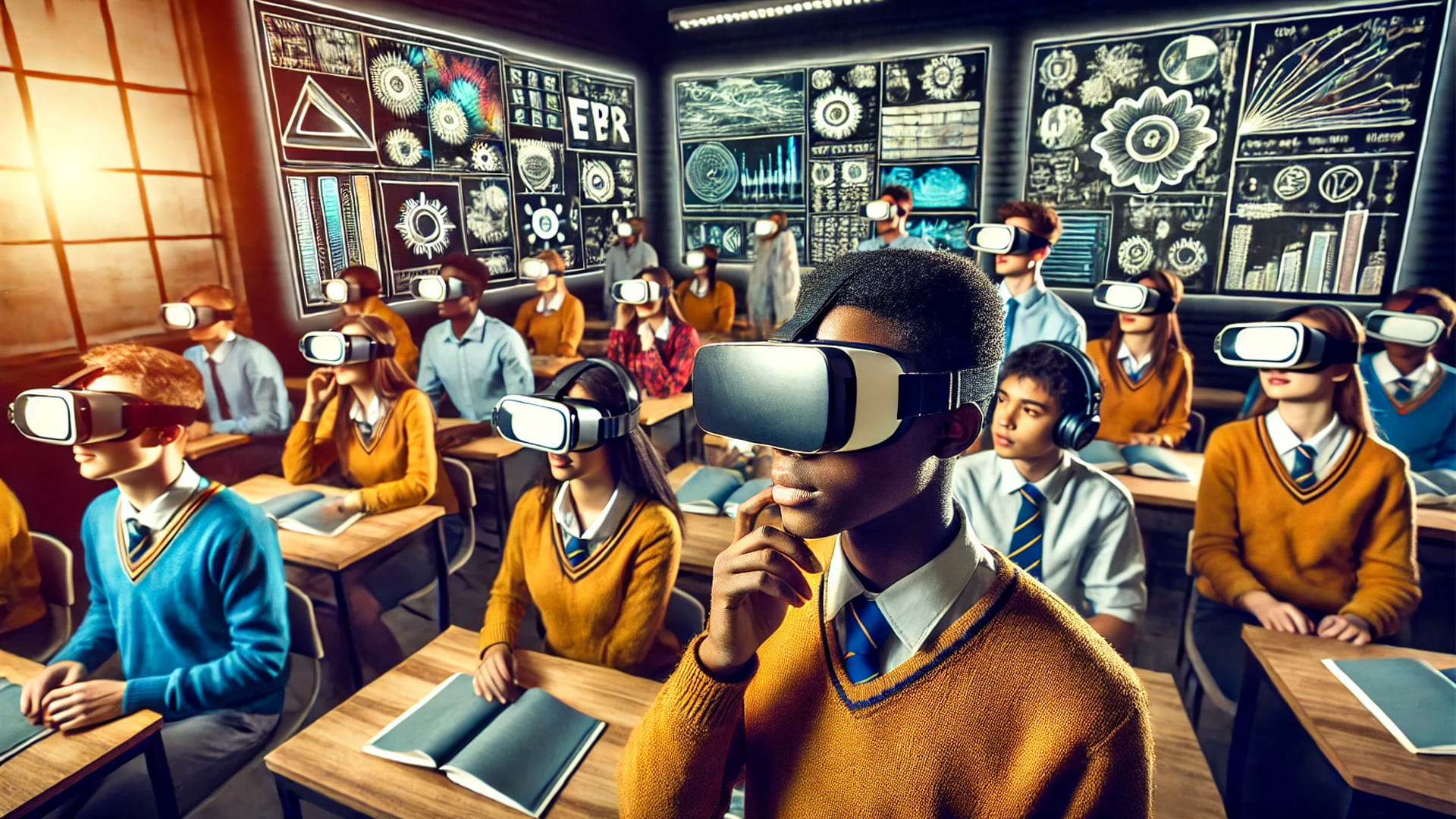
Virtual reality (VR) has transitioned from a speculative idea into a transformative tool across multiple industries. Once primarily associated with gaming and entertainment, VR has significantly advanced and is now making substantial impacts in fields like healthcare, engineering, and education. This shift has been facilitated by improvements in both hardware and software, which have made VR more accessible and user-friendly.
Contemporary VR headsets and advanced software are capable of crafting highly immersive environments that closely mimic real-world experiences. These technological advancements have established VR as a powerful educational resource, revolutionizing conventional learning methods and offering new opportunities for interactive and experiential learning.
Importance of VR in Modern Education
In the context of modern education, VR represents a transformative approach to teaching and learning. It provides an interactive and immersive experience that transcends the constraints of traditional classroom settings. With VR, students can engage with complex concepts in a more tangible and engaging way, bridging the gap between theoretical knowledge and practical application.
This immersive technology promotes a deeper understanding and better retention of information. Its impact is particularly significant in regions with unique educational challenges, such as South Africa, where VR can address systemic issues and elevate the quality of education by offering innovative learning solutions and expanding access to resources.
Addressing Educational Challenges in South Africa
Overcoming Resource Limitations
South African universities frequently face resource limitations that challenge the delivery of high-quality education. VR technology offers an innovative solution to these constraints by providing virtual laboratories, libraries, and interactive learning modules. These virtual resources are both cost-effective and scalable, allowing institutions to offer rich educational experiences without the need for extensive physical infrastructure.
For example, VR can simulate complex scientific experiments or engineering projects, enabling students to acquire practical skills without the requirement for costly equipment. This approach not only optimizes resource utilization but also ensures that all students, regardless of their institution’s financial capacity, have access to quality education and advanced learning opportunities.
Enhancing Accessibility for Remote Learners
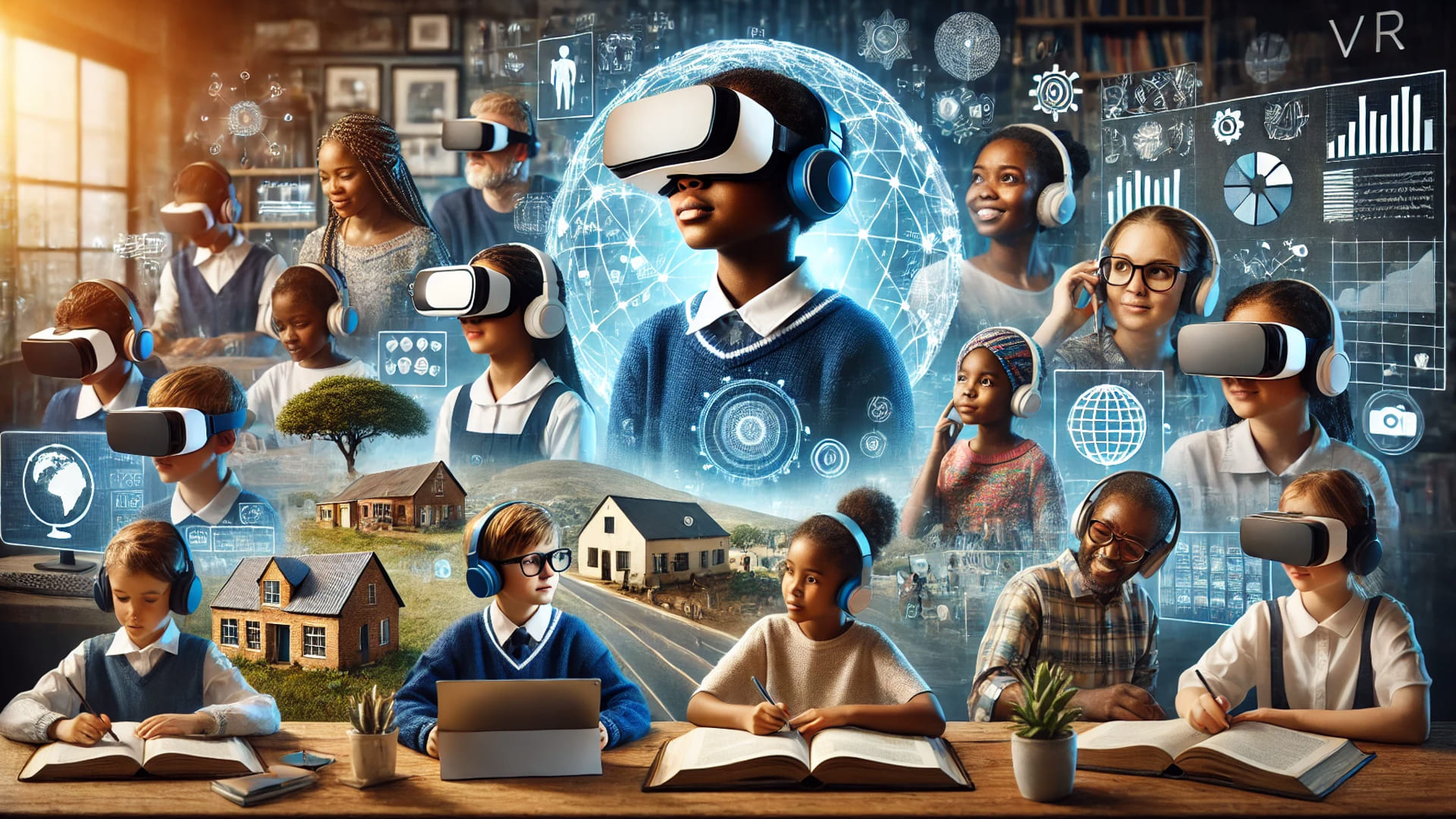
Accessibility remains a significant challenge in South African education, especially for students in remote or underserved areas. VR technology addresses this issue by providing immersive and interactive learning experiences regardless of geographical location. Virtual classrooms and lectures allow students from isolated regions to engage in the same educational activities as their urban peers, promoting inclusivity and equal learning opportunities. This technology supports educational equity by ensuring that all students have access to quality education and specialized resources that might otherwise be out of reach. By bridging the gap between urban and rural education, VR contributes to a more equitable educational landscape.
Transformative Applications of VR in South African Universities
Immersive Learning Environments
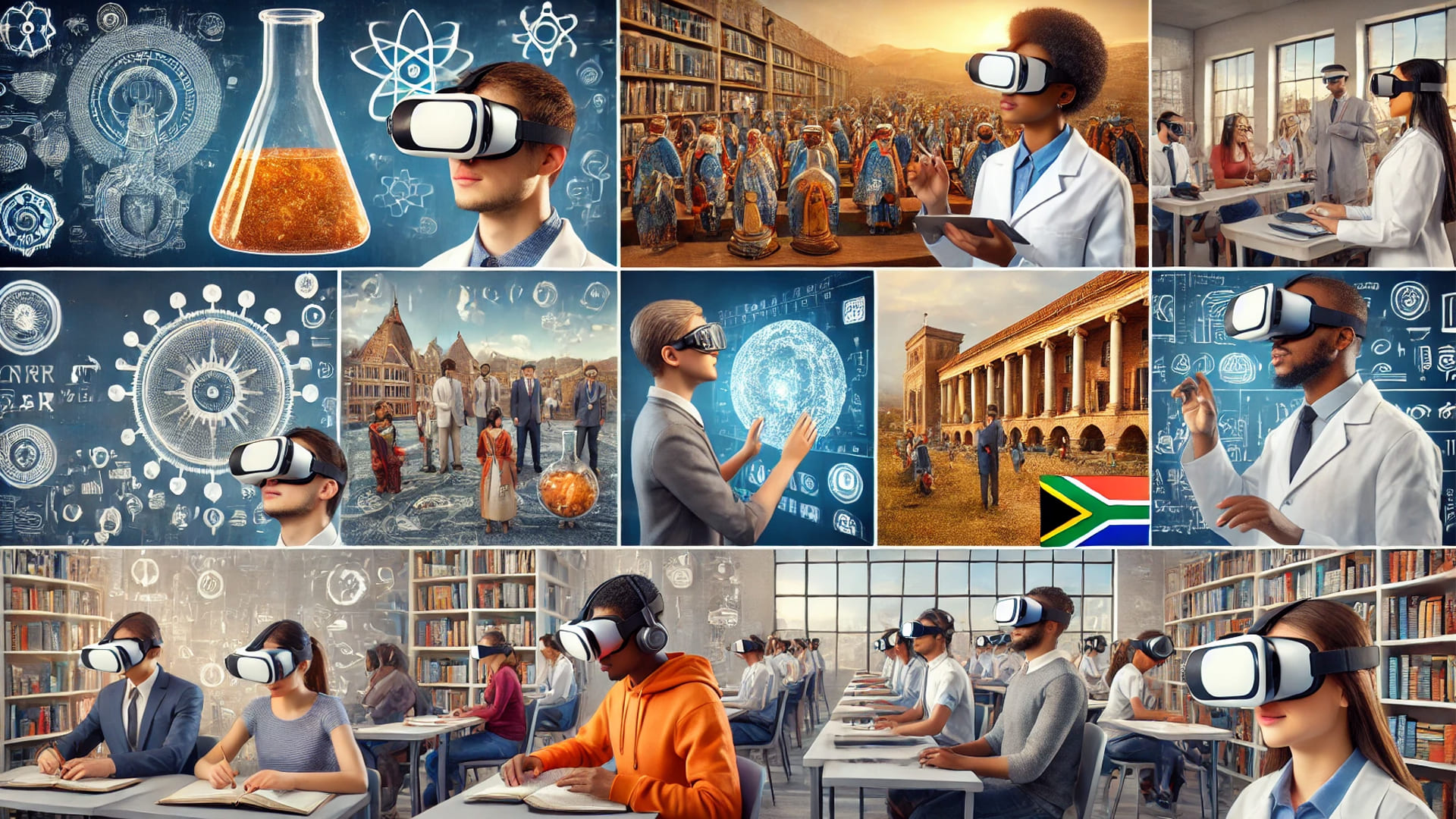
One of the most compelling applications of VR in education is the creation of immersive learning environments. These environments enable students to engage with subjects in a multidimensional and interactive way. For instance, medical students can conduct virtual dissections or participate in simulated surgeries, gaining practical experience without real-world risks.
History students can take virtual tours of ancient civilizations, immersing themselves in historical events and cultures. Such immersive experiences enhance engagement and deepen understanding, making learning more impactful and memorable. By bridging theoretical knowledge with practical application, VR transforms traditional education into a more dynamic and effective process.
Practical Training and Simulations
VR’s capacity for practical training and simulations is especially valuable for disciplines requiring hands-on experience. In fields like engineering, nursing, and aviation, VR simulations offer a realistic and controlled environment for skill practice and procedure execution. For example, engineering students can design and test virtual prototypes, while nursing students can simulate emergency response scenarios.
These simulations enable repeated practice without the limitations of physical resources or safety concerns, allowing students to refine their skills and build confidence. This enhanced practice ultimately prepares students better for real-world applications, bridging the gap between theoretical learning and practical expertise.
Case Studies of VR Implementation
Success Stories from South African Universities
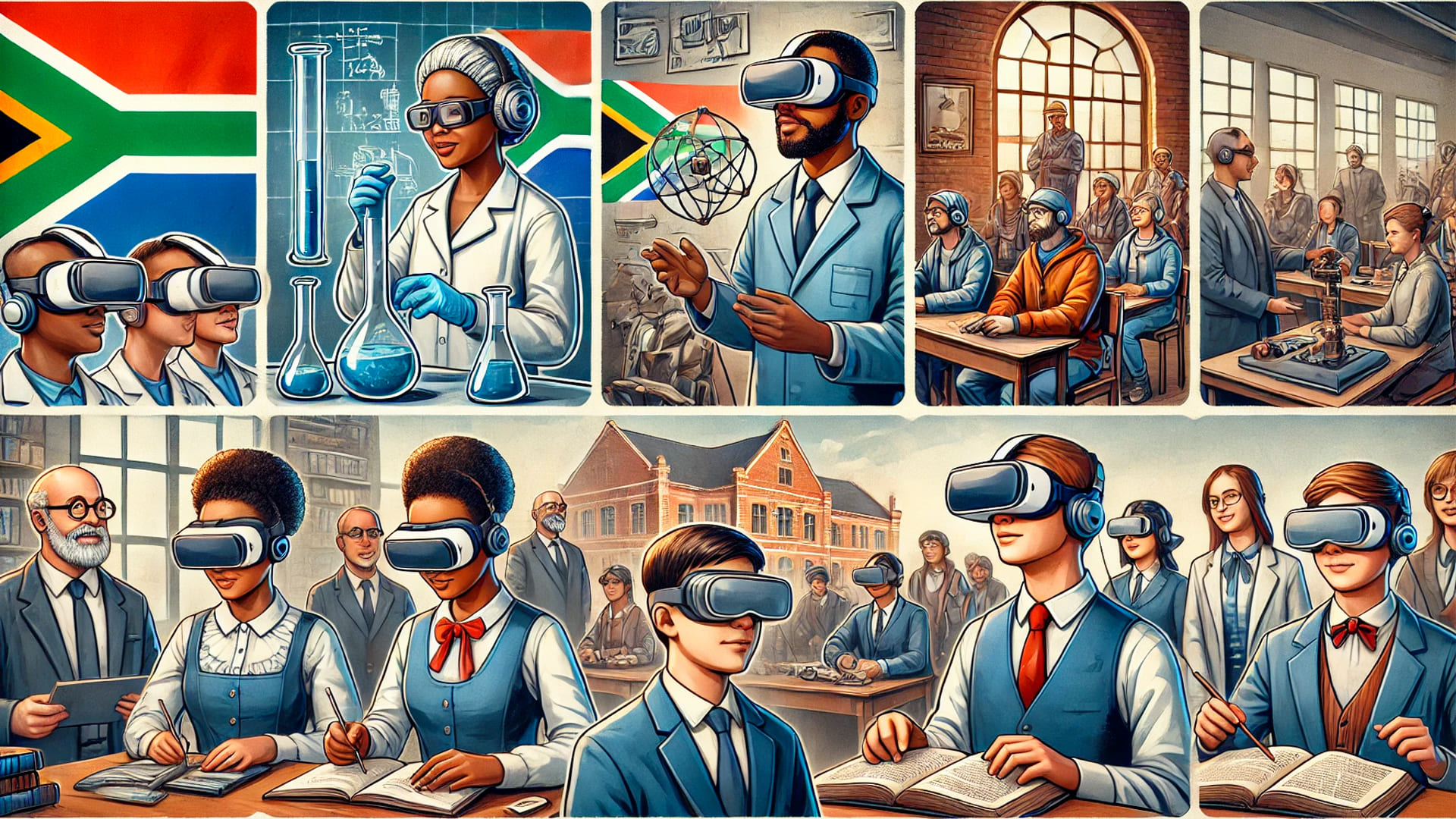
Several South African universities are showcasing the transformative potential of VR in education. For instance, the University of Cape Town has integrated VR into its medical and engineering programs, offering immersive training experiences. In medical education, VR simulations allow students to practice complex surgical procedures, enhancing their precision and confidence. Meanwhile, engineering students use VR to visualize and manipulate 3D models of machinery, which improves their spatial awareness and problem-solving skills. These successful implementations highlight VR’s practical benefits and its capacity to significantly elevate educational quality and effectiveness.
Measurable Benefits and Outcomes
The implementation of VR in South African universities has produced notable benefits and positive outcomes. Research indicates that students using VR-enhanced learning tools demonstrate higher levels of engagement, comprehension, and retention. Furthermore, VR has significantly improved accessibility, with students from remote areas experiencing increased participation and satisfaction.
The immersive quality of VR facilitates a deeper understanding of complex subjects by enabling dynamic and interactive content engagement. These results underscore VR’s potential to revolutionize education and address persistent challenges within the South African educational landscape.
Future Prospects and Innovations in VR Education
Emerging Trends in VR Technology
The future of VR in education is promising, with several emerging trends poised to further enhance its impact. Innovations such as haptic feedback, which allows users to feel virtual objects, and augmented reality (AR), which overlays virtual elements onto the real world, are set to revolutionize learning experiences. These technologies will enable even more immersive and interactive educational environments, further blurring the lines between virtual and physical realities. Additionally, advancements in AI integration with VR are expected to provide personalized learning experiences, tailoring content to individual student needs and learning styles.
Potential Long-Term Impacts on Education
The long-term impacts of VR on education are profound, with the potential to reshape the entire educational landscape. As VR technology becomes more accessible and affordable, its adoption is likely to increase, leading to widespread changes in teaching methodologies and learning experiences. VR can democratize education by providing equal opportunities for students regardless of their location or socio-economic status.
Furthermore, the integration of VR in education can foster a culture of continuous learning and innovation, equipping students with the skills and knowledge needed to thrive in a rapidly changing world. The ongoing evolution of VR promises to unlock new possibilities and redefine the future of education.
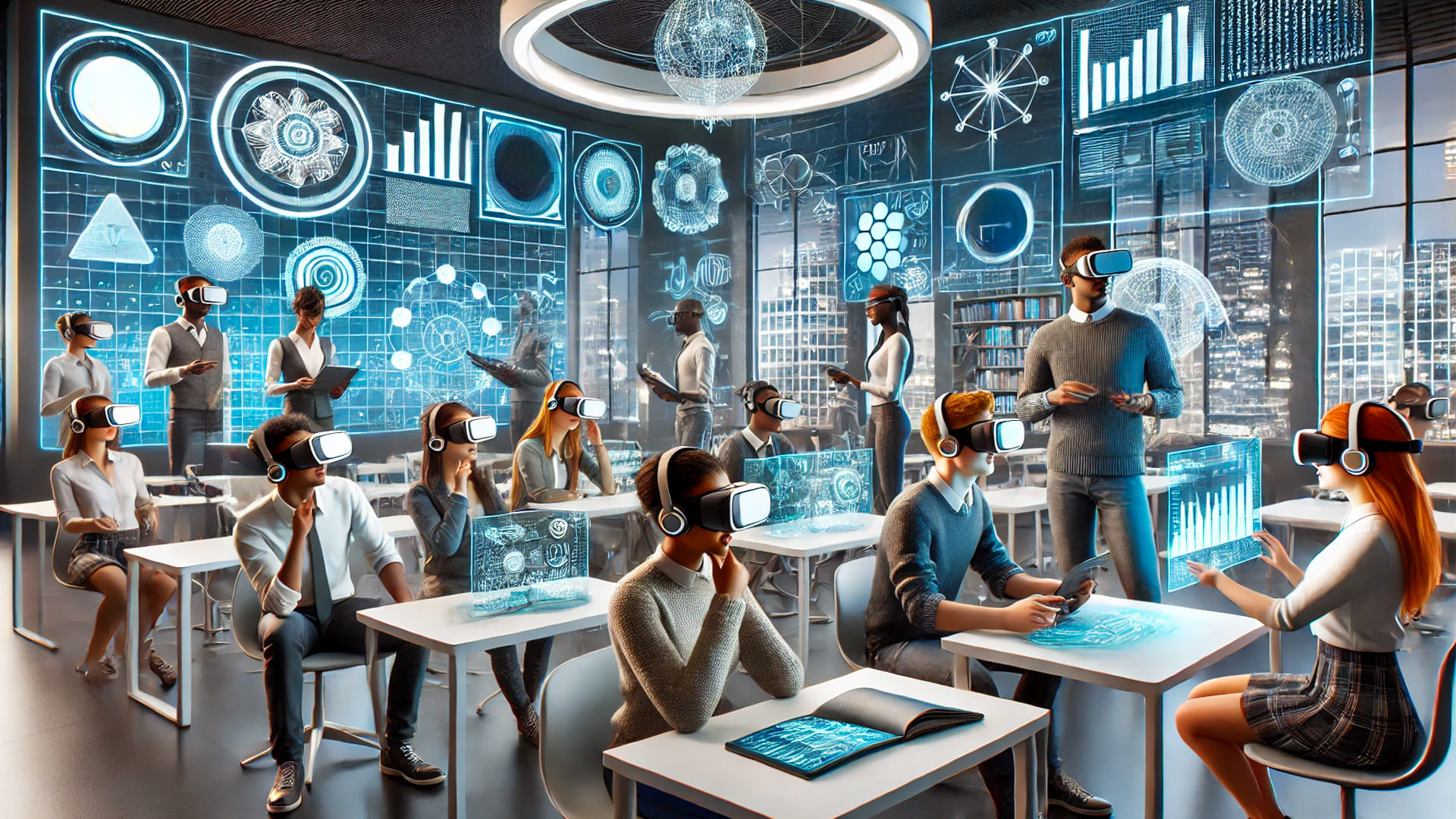
Virtual reality is not just a technological novelty but a transformative tool poised to revolutionize education in South African universities. It addresses resource limitations, enhances accessibility, and offers immersive learning experiences, providing innovative solutions to longstanding educational challenges. The success stories and measurable benefits observed in South African universities highlight VR’s practical impact. Looking ahead, emerging trends and advancements suggest even greater possibilities. As VR continues to evolve, it will play a pivotal role in shaping the future of education, making it more inclusive, engaging, and effective.