
Elevating Academic Experiences with Immersive Virtual Reality
Virtual Reality (VR) is transforming university education by introducing immersive and interactive learning environments that transcend traditional classroom boundaries. At Virtual-Reality.University, the integration of VR technologies is reshaping pedagogical methodologies, enhancing student engagement, and fostering deeper comprehension of complex subjects. This innovative approach not only captivates learners but also equips them with essential skills for the digital age. By leveraging VR, universities in South Africa are creating dynamic educational experiences that prepare students for a technologically advanced future, ensuring that education remains relevant and impactful in an ever-evolving world.
Enhanced Student Engagement and Motivation
Immersive Learning Environments
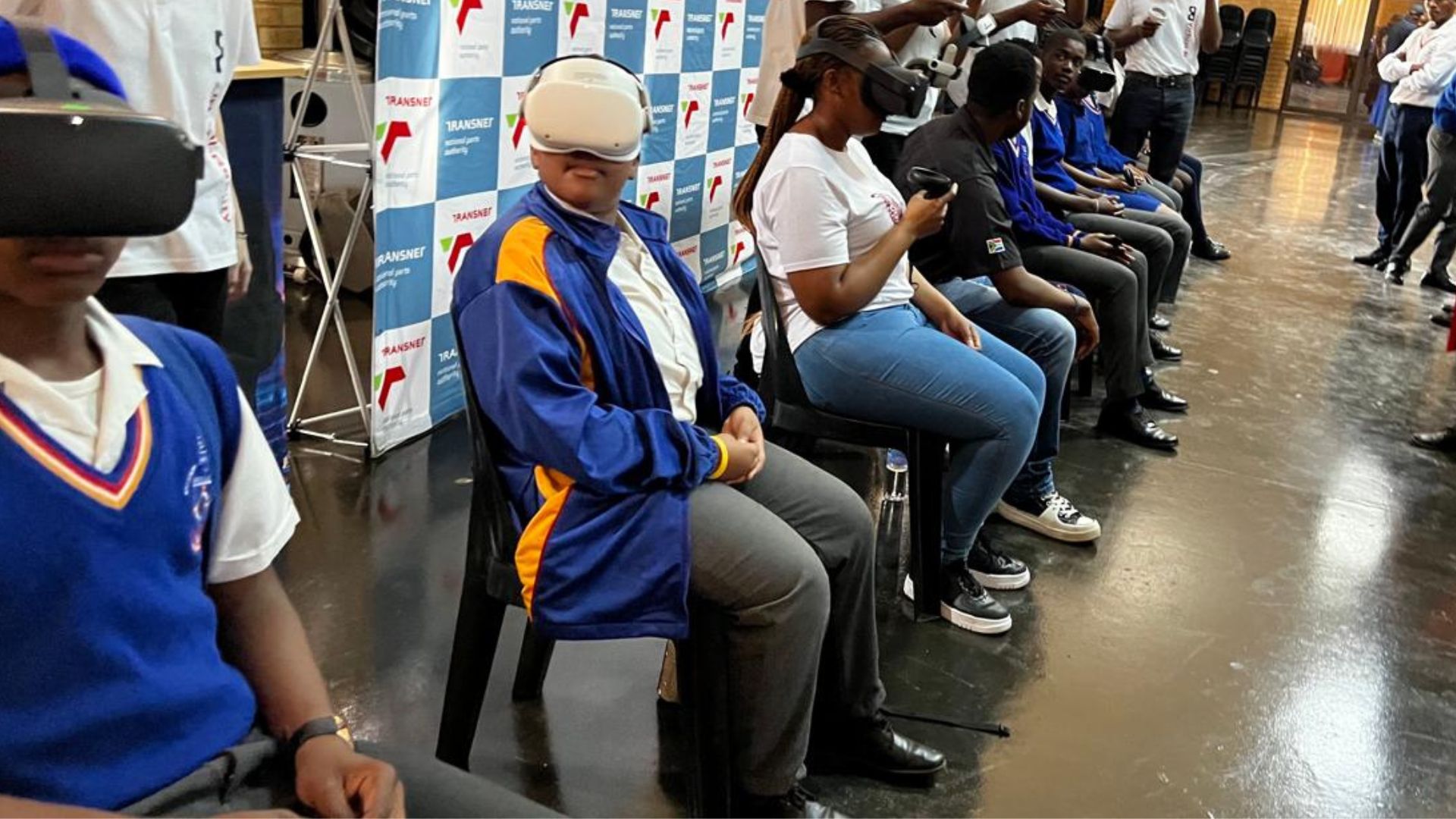
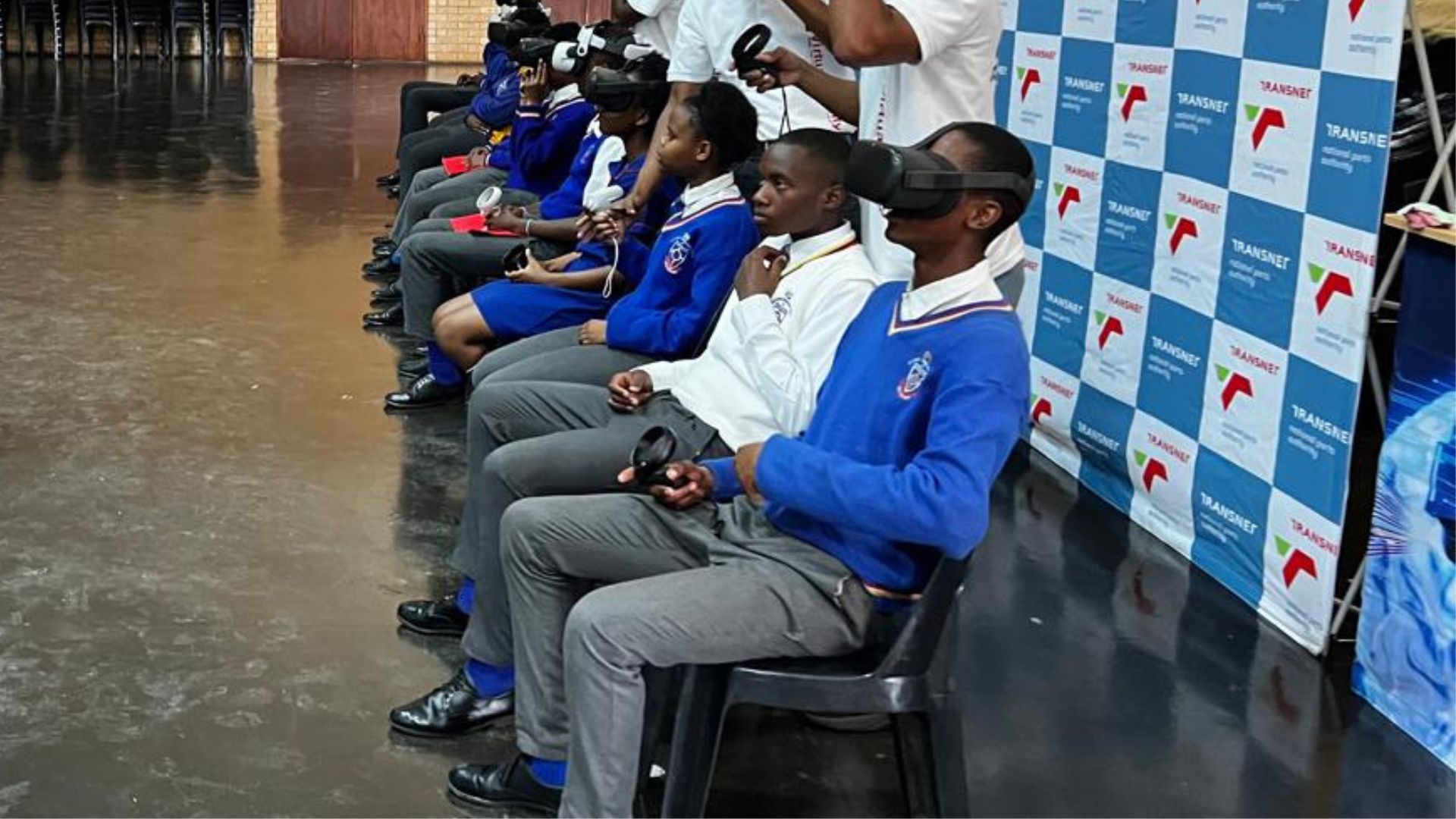
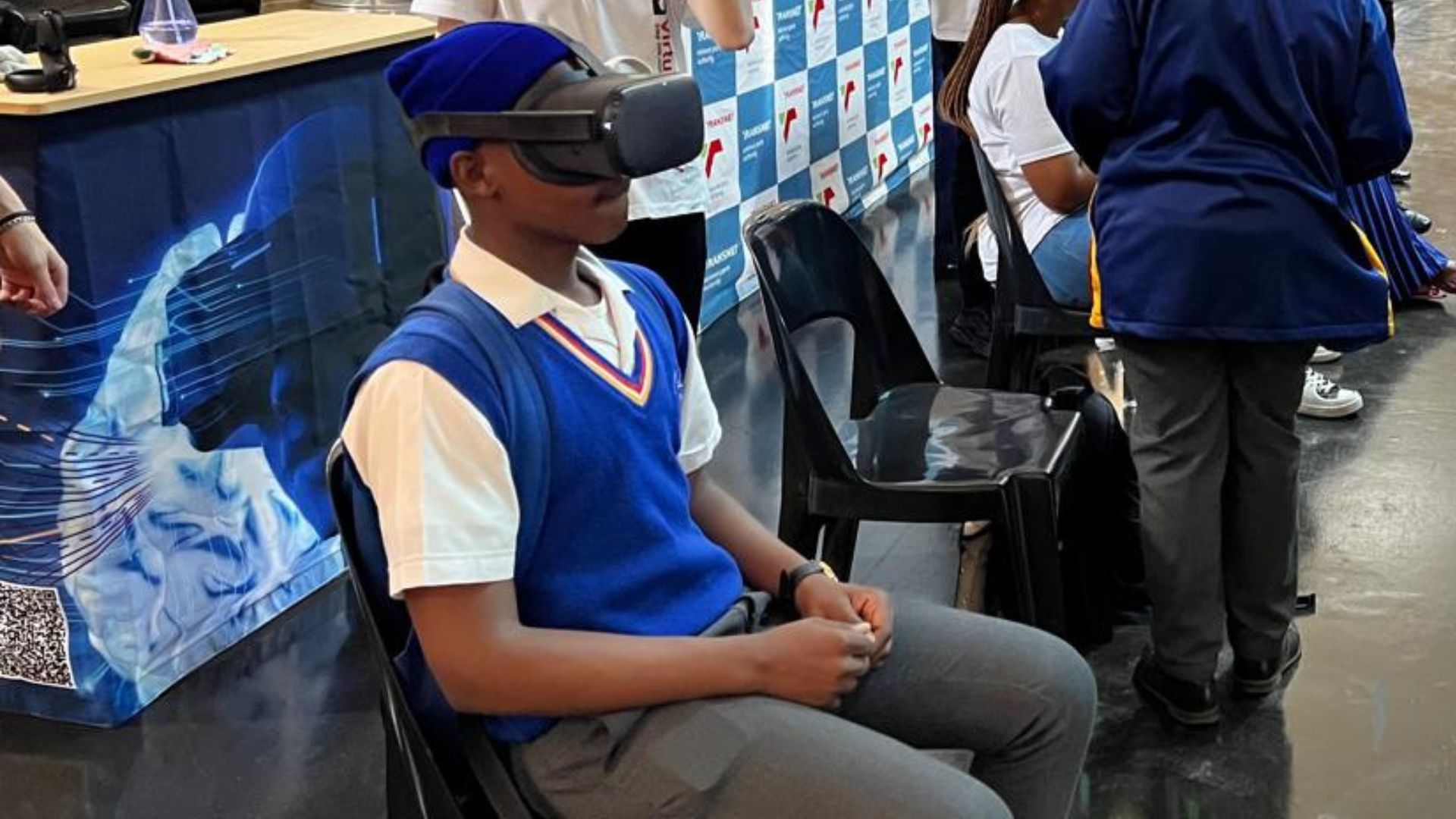
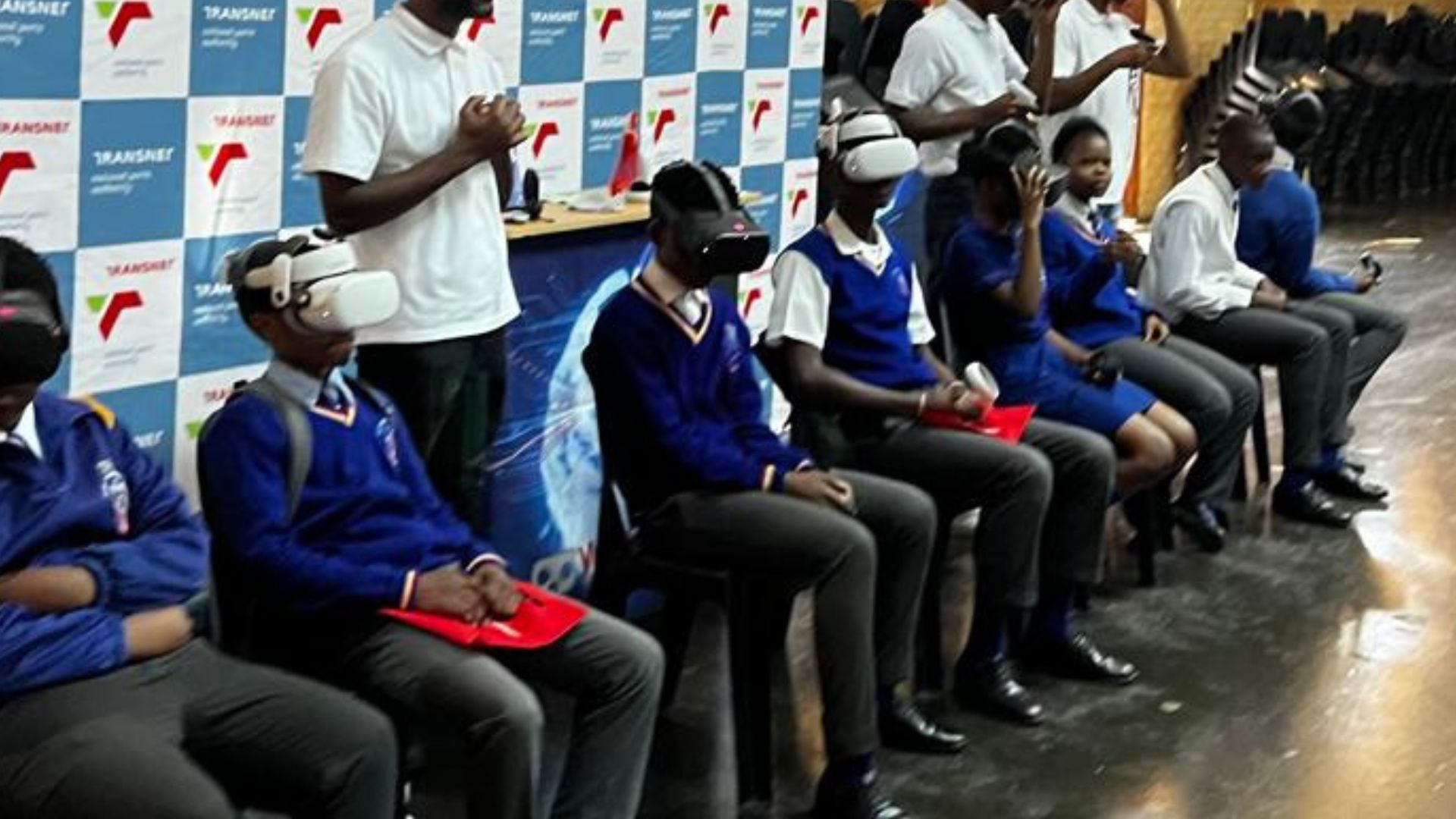
Virtual Reality creates highly immersive learning environments that engage students on a sensory level, making education more interactive and enjoyable. By simulating real-world scenarios, VR allows students to explore subjects in a three-dimensional space, fostering a deeper connection with the material. This heightened engagement is particularly effective in disciplines such as medicine, engineering, and the sciences, where practical application and visualization are crucial for understanding complex concepts.
Moreover, immersive environments can be tailored to reflect specific educational objectives, enabling a customized learning experience. For instance, medical students can perform virtual surgeries, while engineering students can design and test virtual prototypes. This level of immersion not only makes learning more engaging but also enhances retention and understanding by providing hands-on experience in a controlled, risk-free setting.
Gamification of Educational Content
Incorporating game-design elements into VR education significantly boosts student motivation and participation. VR platforms can transform traditional learning modules into interactive games, complete with challenges, rewards, and progression systems. This gamification not only makes learning fun but also encourages students to actively participate and invest more effort into their studies. As a result, academic performance improves, and students develop a sustained interest in their subjects.
Furthermore, gamified VR experiences can cater to different learning styles, accommodating visual, auditory, and kinesthetic learners. By offering multiple modes of interaction, VR ensures that all students can engage with the material in a way that suits their preferences, leading to a more inclusive and effective educational environment. The competitive and collaborative aspects of gamified learning also foster teamwork and healthy competition, enhancing the overall educational experience.
Real-Time Feedback and Adaptive Learning
VR systems provide instantaneous feedback, allowing students to assess their understanding and progress in real time. Adaptive learning technologies within VR environments adjust the difficulty and complexity of tasks based on individual performance, ensuring that each student receives personalized support. This immediate feedback loop enhances the learning experience by addressing misconceptions promptly and reinforcing knowledge retention.
Additionally, real-time analytics can track student performance and engagement, providing educators with valuable insights into learning patterns and areas that require additional attention. This data-driven approach allows for more informed instructional strategies, enabling educators to tailor their teaching methods to better meet the needs of their students. By continuously adapting to each student’s progress, VR fosters a more effective and individualized learning journey.
Improved Comprehension of Complex Concepts
Visualization of Abstract Theories
Virtual Reality excels in visualizing abstract and complex theories, making them more accessible and easier to grasp. Subjects such as quantum physics, molecular biology, and advanced mathematics benefit immensely from VR’s ability to create detailed and interactive visualizations. Students can manipulate virtual objects, observe phenomena from multiple angles, and engage with the material in ways that traditional textbooks cannot offer, leading to enhanced understanding and retention.
Moreover, VR allows for the simulation of scenarios that are otherwise impossible to replicate in a classroom setting. For example, students can explore the inner workings of a cell, interact with atomic structures, or visualize the principles of relativity. These immersive visualizations provide a tangible representation of abstract concepts, bridging the gap between theoretical knowledge and practical understanding.
Simulation of Real-World Applications
VR allows students to simulate real-world applications of theoretical knowledge, bridging the gap between classroom learning and practical implementation. For instance, engineering students can design and test virtual prototypes, while medical students can perform virtual surgeries. These simulations provide hands-on experience in a controlled and safe environment, preparing students for real-life challenges and fostering critical problem-solving skills.
Additionally, VR simulations can replicate real-world environments and conditions, allowing students to practice and refine their skills without the risks associated with actual fieldwork. This experiential learning approach enhances competency and confidence, as students can experiment, make mistakes, and learn from them in a risk-free setting. By providing practical experience, VR ensures that students are better prepared for their professional careers.
Collaborative Virtual Projects
Virtual Reality facilitates collaborative projects by enabling students to work together in a shared virtual space, regardless of their physical location. This collaborative approach enhances teamwork and communication skills, as students can interact, share ideas, and solve problems collectively. In disciplines such as architecture, urban planning, and environmental science, collaborative VR projects allow for comprehensive and integrative learning experiences that mirror professional practices.
Furthermore, collaborative VR environments promote interdisciplinary learning, as students from different fields can come together to tackle complex projects. This interdisciplinary approach fosters innovation and creativity, as diverse perspectives and expertise are brought together to solve multifaceted problems. By working collaboratively in a virtual space, students develop essential skills that are highly valued in the modern workforce.
Increased Accessibility and Inclusivity
Accommodating Diverse Learning Needs
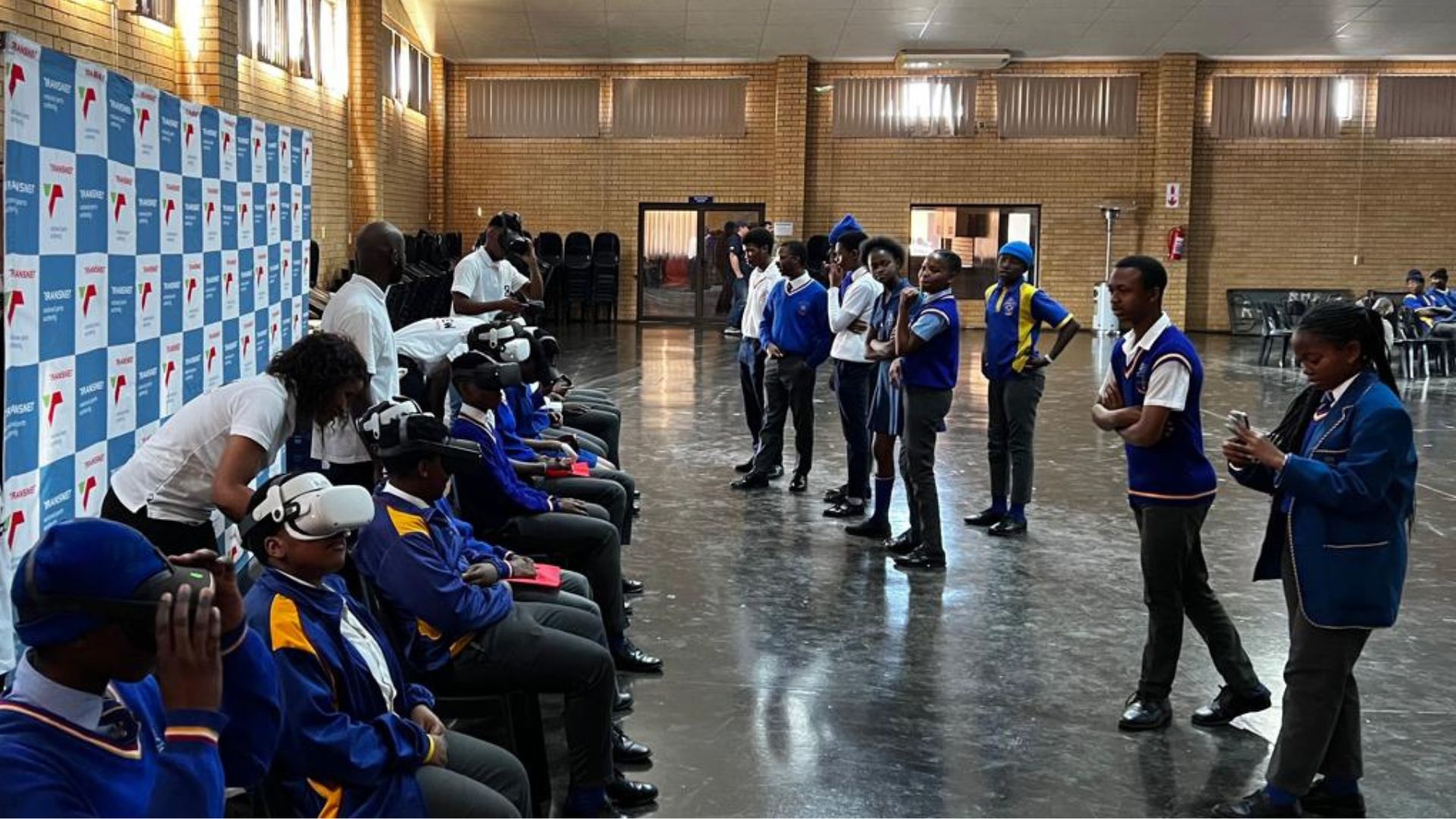
VR technology offers customizable learning environments that cater to diverse learning needs, ensuring inclusivity for all students. Features such as adjustable interfaces, voice commands, and sensory enhancements make education more accessible for students with disabilities. By providing adaptable tools and resources, VR fosters an inclusive educational landscape where every learner can thrive and achieve their full potential.
Additionally, VR can support differentiated instruction, allowing educators to tailor lessons to meet the unique needs and abilities of each student. For example, visual learners can benefit from interactive visualizations, while auditory learners can engage with voice-guided instructions. This flexibility ensures that all students, regardless of their learning preferences or challenges, can engage with the material effectively and comfortably.
Overcoming Geographic and Socioeconomic Barriers
Virtual Reality bridges geographic and socioeconomic gaps by providing access to high-quality education irrespective of location or financial constraints. Students from remote or underserved areas in South Africa can participate in virtual classrooms, access specialized courses, and interact with educators and peers from around the world. This democratization of education ensures that opportunities for advanced learning are available to a broader population, promoting equity and reducing disparities.
Moreover, VR reduces the need for physical infrastructure and resources, making education more affordable and scalable. Schools and universities can implement VR programs without the significant investment required for traditional classrooms and laboratories. This cost-effective approach enables institutions to expand their educational offerings and reach more students, contributing to a more inclusive and equitable educational system.
Personalized Learning Experiences
VR supports personalized learning by adapting to each student’s pace and preferred learning style. Virtual Reality platforms can analyze student interactions and performance data to tailor educational content that meets individual needs. This personalized approach enhances student satisfaction and effectiveness, leading to better academic outcomes and a more fulfilling educational experience.
Furthermore, personalized VR experiences can address specific learning gaps and strengths, providing targeted interventions and enrichment opportunities. For example, struggling students can receive additional support and practice in challenging areas, while advanced students can explore more complex topics at their own pace. This individualized attention ensures that all students can progress according to their unique abilities and interests, fostering a more effective and engaging learning environment.
Development of Essential 21st Century Skills
Critical Thinking and Problem-Solving
Engaging with VR-based challenges cultivates critical thinking and problem-solving abilities essential for the modern workforce. Students are exposed to complex scenarios that require strategic analysis and innovative solutions within virtual environments. These interactive experiences encourage learners to think analytically and approach problems methodically, fostering cognitive agility and resilience.
Moreover, VR simulations often present real-world problems that require collaborative efforts to solve, enhancing students’ ability to work together and leverage each other’s strengths. This hands-on approach to problem-solving not only deepens understanding but also prepares students to tackle complex challenges in their future careers, equipping them with the skills needed to excel in a rapidly changing global landscape.
Collaboration and Communication
Virtual Reality promotes collaborative learning by enabling students to interact and communicate within shared virtual spaces. VR facilitates teamwork on projects, discussions, and collective problem-solving activities, mirroring real-world professional environments. This enhances students’ ability to work effectively in teams and communicate ideas clearly, preparing them for future careers in diverse and dynamic workplaces.
Additionally, VR environments can simulate multicultural and multilingual settings, fostering cross-cultural communication skills and global awareness. Students learn to navigate and collaborate in diverse teams, developing the interpersonal skills necessary for success in an increasingly interconnected world. By practicing collaboration and communication in a virtual setting, students gain valuable experience that translates directly to their professional lives.
Technological Proficiency
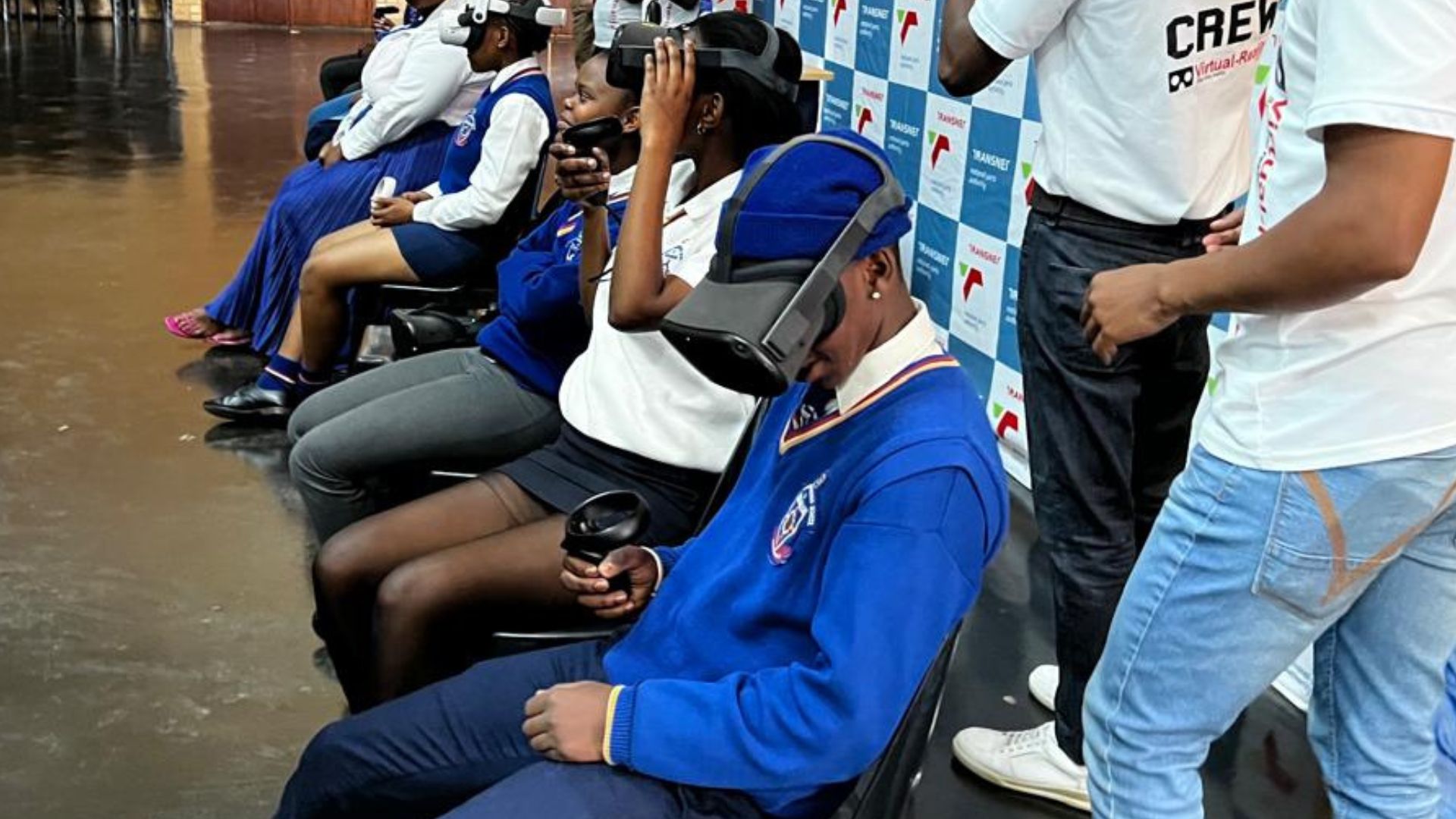
Exposure to Virtual Reality technologies equips students with advanced technological skills, ensuring they are proficient in using cutting-edge tools and applications. Navigating VR interfaces, developing virtual projects, and utilizing immersive software enhance digital literacy and technical competency. These proficiencies are increasingly vital in a digital-centric economy, where technological adeptness is a key determinant of career success.
Furthermore, VR education fosters adaptability and continuous learning, as students become comfortable with emerging technologies and innovative learning methods. This adaptability is crucial in a world where technology is constantly evolving, ensuring that graduates are well-prepared to embrace and leverage new tools and platforms throughout their careers. By integrating VR into education, universities are not only enhancing academic experiences but also equipping students with the skills needed to thrive in the digital age.
Sustainability and Environmental Impact
Reducing Carbon Footprint from Traditional Learning Methods
Virtual Reality significantly reduces the need for physical materials and travel associated with traditional learning methods, thereby lowering the carbon footprint of educational institutions. By transitioning to virtual classrooms and interactive digital content, universities can contribute to environmental sustainability, aligning their operations with global efforts to combat climate change.
Moreover, VR eliminates the need for physical textbooks and printed materials, as educational content can be accessed digitally within the virtual environment. This not only reduces waste but also promotes the use of renewable and recyclable resources, further enhancing the sustainability of educational practices. By adopting VR, universities can lead the way in eco-friendly education, setting a standard for sustainability in academia.
Sustainable Virtual Campus Infrastructure
Implementing VR technologies supports the development of sustainable virtual campus infrastructures. Virtual labs
and libraries minimize the reliance on physical buildings and resources, reducing energy consumption and waste generation. This shift towards virtual infrastructure promotes long-term sustainability and resource efficiency within educational institutions. For South African universities, it offers a strategic opportunity to modernize their campuses while simultaneously addressing environmental concerns.
Furthermore, sustainable virtual campus infrastructure can be scaled and adapted to meet the evolving needs of students and faculty without the constraints of physical space limitations. This flexibility allows universities to offer a wide range of courses and programs without the need for extensive construction and maintenance of traditional facilities. By investing in VR infrastructure, South African institutions can enhance their educational offerings while maintaining a commitment to sustainability and environmental stewardship.
Promoting Environmental Awareness through VR Education
Virtual Reality can be used to educate students about environmental issues and sustainable practices through immersive simulations and interactive experiences. By visualizing the impact of human activities on ecosystems and exploring sustainable solutions, VR fosters a deeper understanding and commitment to environmental stewardship among students. This educational approach encourages the next generation of leaders to prioritize sustainability in their personal and professional lives.
Additionally, VR-based environmental education can highlight the importance of conservation efforts and the role of technology in addressing global challenges. Students can engage with interactive scenarios that demonstrate the consequences of climate change, deforestation, and pollution, as well as the benefits of renewable energy, recycling, and sustainable agriculture. By making environmental education engaging and impactful, VR helps cultivate a generation of environmentally conscious individuals committed to creating a sustainable future.
Frequently Asked Questions
How can universities integrate VR into their existing curriculum?
Universities can integrate VR into their curriculum by identifying courses that would benefit from immersive learning experiences and collaborating with VR technology providers to develop tailored content. Faculty training programs and pilot projects can help educators become proficient in using VR tools, ensuring a smooth transition. Additionally, universities can invest in VR infrastructure, such as dedicated VR labs and equipment, to support widespread adoption across various disciplines.
Moreover, interdisciplinary collaboration can enhance the integration of VR into the curriculum, allowing different departments to work together to create comprehensive and multifaceted VR experiences. For example, the engineering and computer science departments can collaborate to develop interactive simulations for engineering courses, while the biology and environmental science departments can create virtual ecosystems for biology and sustainability studies. By fostering a collaborative approach, universities can maximize the potential of VR technology to enhance educational outcomes.
What are the technical requirements for implementing VR in university education?
Implementing VR in university education requires robust hardware and software infrastructure, including high-performance VR headsets, powerful computers or servers, and reliable internet connectivity. Universities should also invest in VR content creation tools and platforms that support interactive and collaborative learning. Additionally, ongoing technical support and maintenance are essential to ensure the seamless operation of VR systems and to address any technical challenges that may arise.
Furthermore, universities may need to upgrade their IT infrastructure to accommodate the increased demand for bandwidth and data storage associated with VR applications. This includes ensuring that campus networks can handle the high data transfer rates required for smooth VR experiences and that adequate storage solutions are in place to manage the large volumes of VR content generated by educational programs. By addressing these technical requirements, universities can create a stable and efficient VR-enabled learning environment.
Are there any studies supporting the effectiveness of VR in education?
Yes, numerous studies have demonstrated the effectiveness of VR in enhancing educational outcomes. Research indicates that VR can improve student engagement, increase knowledge retention, and facilitate the understanding of complex concepts. For instance, studies in medical education have shown that VR simulations enhance surgical skills and clinical decision-making, while research in engineering education highlights the benefits of VR for prototyping and design processes. These findings support the integration of VR as a valuable tool in university education.
Additionally, empirical studies have shown that VR-based learning environments can reduce cognitive load, allowing students to process information more efficiently and retain it longer. By providing a multi-sensory learning experience, VR engages multiple cognitive pathways, reinforcing memory and comprehension. These positive outcomes have been observed across various disciplines and educational levels, underscoring the versatility and effectiveness of VR as an educational technology.