
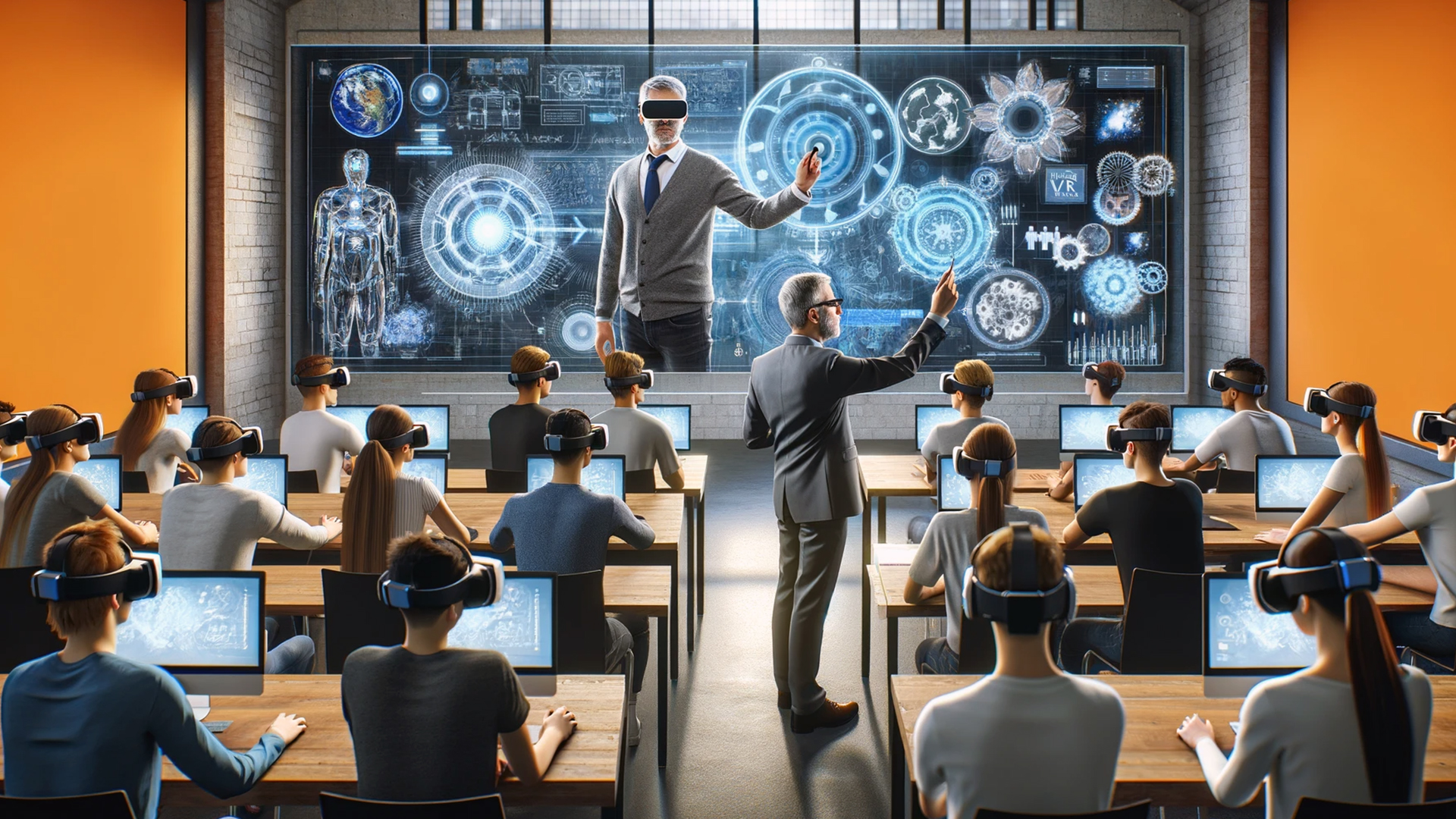
As a university professor considering the integration of Virtual Reality (VR) into your curriculum, you are on the cusp of embracing a significant shift in educational methods. VR’s potential to transform learning experiences is immense, promising to enhance engagement, deepen understanding, and introduce innovative teaching approaches. This journey, however, requires careful planning, an understanding of the technology, and a clear vision of your educational objectives.
The first step in this transformative process is identifying the specific learning objectives that VR can enhance. VR is not just a novel tool for engagement; it can offer unique ways to understand complex concepts, visualize abstract ideas, and simulate real-world scenarios. By aligning VR with specific educational goals, you can ensure that its integration serves a clear pedagogical purpose.
Next, research and selection of VR tools are crucial. The VR market offers a myriad of options, from simple mobile-based VR headsets to sophisticated room-scale systems. Each of these tools has its strengths and considerations, such as cost, ease of use, and technical requirements. Choosing the right technology is essential to ensure that it aligns well with your teaching goals and the logistical constraints of your institution.
Securing funding and resources is often the most challenging step. VR technology can be expensive, and incorporating it into the classroom may require not just the initial investment in hardware and software but also ongoing costs for maintenance and updates. Exploring funding opportunities, grants, or partnerships can be vital in making VR integration financially feasible.
Once you have the necessary resources, developing or sourcing relevant VR content becomes your focus. This step might involve creating custom VR experiences tailored to your course or utilizing pre-existing VR applications. The content should be carefully chosen or designed to complement and enhance your curriculum, not replace traditional teaching methods.
The technical setup and testing phase is critical for a successful VR implementation. This involves not only installing the hardware and software but also ensuring that they are compatible with existing systems and that any technical glitches are ironed out. A smooth technical operation is crucial to avoid disruptions in the learning process.
Integrating VR into your curriculum requires thoughtful planning. VR sessions should be strategically placed within the course structure to maximize their impact. Decisions need to be made about whether these sessions are mandatory or optional, and how they will be integrated with traditional teaching methods to create a cohesive learning experience.
Training is essential for both you and your students. Even the most sophisticated VR system is ineffective if users don’t know how to operate it. Familiarize yourself with the technology first, then guide your students through its use. This training ensures that the focus remains on learning, not on struggling with new technology.
Lastly, monitoring health and safety is paramount. VR experiences can cause motion sickness or eye strain in some individuals, and it’s crucial to be aware of these risks. Providing guidelines on usage duration and ensuring that the VR environment is safe and comfortable is vital for the well-being of your students.
As you embark on this journey of integrating VR into your teaching, remember that the ultimate goal is to enhance the educational experience. VR offers a world of possibilities, and navigating this landscape thoughtfully can lead to a richer, more engaging, and effective learning environment for your students.
In the realm of modern education, the incorporation of Virtual Reality (VR) offers a novel dimension to teaching and learning. As you, a university professor, contemplate this integration, it’s imperative to recognize the potential and challenges it brings. VR, with its immersive and interactive capabilities, stands to revolutionize the way students engage with and comprehend complex academic material. The journey towards integrating VR into your curriculum is multifaceted, involving a blend of technology, pedagogy, and innovation. This integration begins with a clear understanding of your course’s needs and how VR can address them. Identifying the learning objectives that VR can enhance is the foundation of this process. The immersive nature of VR can bring abstract concepts to life, provide practical experiences in a virtual setting, and cater to various learning styles, thus enriching the educational experience.
The selection of appropriate VR tools is a pivotal step. With the plethora of VR technologies available, choosing the right one requires balancing factors like cost, technical requirements, and the specific needs of your curriculum. This selection process is crucial in ensuring that the VR experience aligns with your educational goals and provides a seamless learning experience for your students. Securing funding and resources is another significant consideration. The financial aspect of integrating VR into education cannot be overlooked, as the technology involves initial and ongoing costs. Seeking grants, institutional support, or external funding can be pathways to acquiring the necessary resources to make VR a reality in your classroom.
Content development or curation is the next step. Whether you choose to create custom VR experiences or utilize existing applications, the content should align with your teaching objectives and enhance the curriculum. The content needs to be engaging, educational, and relevant to the subjects being taught. Technical setup and thorough testing are crucial for a smooth VR experience. Ensuring the compatibility of VR equipment with existing infrastructure and resolving any technical issues beforehand is vital. This step ensures that the VR integration enhances, rather than hinders, the learning process.
Integrating VR into the curriculum requires thoughtful planning. VR should complement and enhance traditional teaching methods, not replace them. Strategically incorporating VR sessions into the curriculum to enrich the learning experience is essential. Training yourself and your students is also key. Familiarity with the VR equipment and content is necessary to ensure that the focus remains on learning and not on navigating new technology. Effective training can significantly enhance the VR experience.
Paying attention to health and safety concerns is paramount. VR can cause physical discomfort in some users, so it’s essential to implement guidelines for use and to be mindful of the duration and nature of VR sessions. Integrating VR into university education is a journey that requires careful consideration, planning, and execution. When done effectively, it can greatly enrich the educational experience, offering students a unique and engaging way to learn and explore their subjects.
Implementing Virtual Reality (VR) in university courses involves several steps, from initial planning to actual deployment and evaluation:
- Identify Learning Objectives: Determine how VR can enhance your course objectives. Consider which topics or concepts would benefit most from immersive learning.
- Research and Select VR Tools: Explore available VR hardware and software that align with your educational goals. Consider factors like cost, user-friendliness, and compatibility with existing systems.
- Secure Funding and Resources: Investigate funding opportunities or departmental resources for acquiring VR equipment and software.
- Develop or Source Content: Create your own VR content or find suitable pre-existing VR applications relevant to your course material.
- Technical Setup and Testing: Set up the necessary VR equipment and test it thoroughly to ensure functionality.
- Integrate into Curriculum: Plan how to incorporate VR sessions into your course structure. Decide whether they will be mandatory or supplementary.
- Train Yourself and Your Students: Familiarize yourself with the VR technology and educate your students on how to use it effectively.
- Monitor Health and Safety: Be aware of health and safety concerns, such as motion sickness or eye strain, and limit the duration of continuous VR use.
- Gather Feedback and Assess Impact: After implementation, collect feedback from students and assess the impact of VR on learning outcomes.
- Iterate and Improve: Continuously refine the VR experience based on feedback and learning objectives.
The key is to ensure that VR enhances learning without overshadowing the core educational content. Collaboration with IT specialists and educational technologists can also be beneficial for a smooth integration.
Additional Information for Professors who want to use VR
- Collaborate with Peers: Engage with other educators who have experience with VR. Their insights and lessons learned can be invaluable.
- Stay Informed about Latest Developments: The field of VR is rapidly evolving. Staying updated on the latest trends and technologies can help you make informed decisions.
- Evaluate and Adapt: Continuously evaluate the effectiveness of VR in your teaching. Be open to making adjustments based on student feedback and learning outcomes.
- Ensure Content Relevance: Regularly update VR content to ensure it remains relevant and aligns with current academic standards and real-world scenarios.
- Encourage Student Feedback: Actively seek and incorporate student feedback to improve the VR learning experience.
- Balance with Traditional Methods: Ensure that VR complements traditional teaching methods rather than completely replacing them, maintaining a balanced educational approach.
- Focus on Learning Outcomes: Always prioritize learning outcomes over the novelty of technology. The primary goal should be to enhance student understanding and engagement.
- Professional Development: Participate in professional development opportunities to stay adept at using VR in teaching effectively.
By considering these additional aspects, you can further enhance the effectiveness and impact of VR in your educational practices.
Embracing the Future of Education: Partnering with Virtual Reality University
In the ever-evolving landscape of education, Virtual Reality (VR) stands as a beacon of innovation, offering immersive learning experiences that redefine traditional teaching methods. At Virtual Reality University, we specialize in bridging the gap between this cutting-edge technology and educational institutions. Our mission is to assist university professors in integrating VR into their curriculum, enhancing the learning journey for students worldwide.
Why Team Up with Virtual Reality University?
- Expertise in VR Content Creation: Our team possesses the technical know-how and creative prowess to develop high-quality VR content tailored to your specific educational needs. We understand the nuances of academic subjects and can translate them into engaging, interactive VR experiences.
- Customized Solutions: We recognize that each university and course is unique. Our approach is to collaborate closely with professors to create VR content that aligns perfectly with their teaching objectives and curriculum requirements.
- Cutting-edge Technology: Staying abreast of the latest VR developments, we ensure that your students access the most advanced and effective VR learning tools available.
- Training and Support: We don’t just provide the content; we also offer comprehensive training and support to ensure you and your students can maximize the benefits of VR technology.
- Enhancing Student Engagement and Learning: With VR, complex concepts become clear, and passive learning transforms into an active, immersive experience. Our content is designed to captivate students’ interest and foster a deeper understanding of the subject matter.
- Collaborative Development Process: We believe in a collaborative approach, working hand-in-hand with university faculty to ensure that the VR content we create meets your exact educational goals.
- Widening Access to Education: VR breaks down geographical barriers, allowing students from diverse locations to access high-quality, immersive education.
- Research and Development Opportunities: Partnering with us opens doors to exploring research opportunities in the field of VR in education, contributing to the scholarly community.
Join Us in Revolutionizing Education
At Virtual Reality University, we are committed to advancing education through technology. By partnering with us, you can bring a dynamic, innovative dimension to your teaching, creating unforgettable learning experiences for your students. Together, let’s shape the future of education.